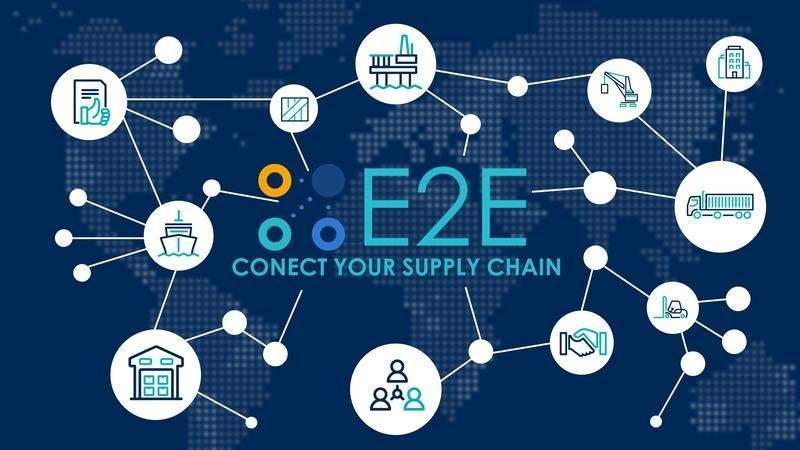
What Are the Benefits of Leveraging Technology in Supply Chain Management?

What Are the Benefits of Leveraging Technology in Supply Chain Management?

The world of supply chain is a complex and dynamic ecosystem. It serves as the lifeline of the global economy since it ensures that goods flow seamlessly from manufacturers to consumers.  

Yet, this intricate web of logistics and operations has challenges and risks. 

Navigating these hurdles is not just necessary. Instead, it’s a strategic imperative for companies operating today’s highly competitive business landscape.  

In this blog, you can explore how technology solutions can help address these challenges. 

What are the Key Challenges Faced in Supply Chain Management?

Before you learn about the potential solutions that technology brings, you must gain a deep understanding of the challenges that supply chain managers confront daily. These challenges include: 

- Rising Risks in the Supply Chain

The supply chain landscape is fraught with an increasing number of risks.  

These include geopolitical tensions, economic uncertainties, and global events that can disrupt the flow of goods.  

According to a recent survey, 82% of supply chain professionals say that supply chain disruptions are a top concern for their organization.

- Unexpected Delays

Delays in the supply chain can disrupt operations, leading to missed deadlines, customer dissatisfaction, and increased costs.  

Unpredictable factors, such as weather conditions can all contribute to unexpected delays.  

A 2023 report found that 64% of retailers experienced delays in shipping goods to their stores in the past year. 

- Cost Control

According to a study, supply chain costs account for an average of 70% of a company’s total costs.  

Controlling costs and ensuring optimal resource allocation is a persistent challenge in supply chain management. 

- Collaboration and Syncing of Data Across the Supply Chain

Effective communication and data sharing between various stakeholders in the supply chain are vital for seamless operations.

- Increasing Freight Prices

The rise in freight prices, influenced by factors like fuel costs and capacity constraints, poses a financial challenge to supply chain managers.  

Keeping shipping costs in check is crucial for maintaining profitability.

- Difficult Demand Forecasting

Accurate demand forecasting is essential for inventory management and cost control. However, it’s a complex task often fraught with uncertainties.  

Moreover, a study found that only 52% of companies are able to accurately forecast demand more than three months in advance. 

What Factors Pose Risks to the Supply Chain?

The global supply chain is susceptible to various risks that can disrupt operations, leading to financial losses and reputation damage. These risks include: 

- Threat from New and Emerging Competitors

The logistics industry is evolving rapidly, and new and emerging competitors are disrupting traditional models. Staying competitive in this shifting landscape requires adaptability and innovation.

- New Technologies Obsolescing Existing Transport Infrastructure

Advancements in technology, such as autonomous vehicles and drones, have the potential to disrupt traditional transport infrastructure.  

Supply chain companies must remain agile to adapt to these innovations and remain competitive. 

- Increased Complexity of Regulation

Global trade regulations are steadily growing in complexity, presenting a formidable challenge for logistics operations. Adherence to these intricate rules is no longer a choice but a necessity.  

Failure to comply can result in costly penalties and disruptive delays.  

Businesses must invest in compliance management and stay informed about regulatory changes. 

- Over-Dependence on National Infrastructure

National infrastructure is the critical physical and organizational systems that a country relies on to facilitate the movement of goods within its borders.  

Relying too heavily on national infrastructure means relying too heavily on these domestic systems for the transportation and distribution of goods.  

Hence, it leads to vulnerabilities in the supply chain.  

To mitigate these risks, logistics companies should explore multiple transportation channels, including rail, road, air, and sea. Diversifying transportation options can mitigate this risk. 

- Third-Party Security Vulnerability and Digital Supply Chain Resilience

Dependence on third-party service providers and the digitalization of logistics processes introduce security vulnerabilities.  

Ensuring digital supply chain resilience is essential to protect sensitive data.  

Easy to Implement Solution for Supply Chain Challenges: 

What is TraQSuite?

Our team at TRAQSUITE, an excellent technology solution, named TraQSuite. It is meticulously designed to tackle the multifaceted challenges and risks that permeate the supply chain landscape.  

This complete software is armed with a suite of features, all aimed at enhancing your supply chain operations: 

- Real-time Tracking with Geo-tagging

Our software provides real-time tracking of shipments, allowing you to monitor the location and condition of your goods throughout the supply chain.  

Geo-tagging ensures precise location data. Hence, you can anticipate and address delays proactively.

- Digitization at the Source

Our software allows for the digitization of crucial supply chain documents and information right at the source.  

This streamlined process reduces manual data entry, minimizes errors, and ensures a smooth data flow throughout the supply chain, enhancing collaboration and data synchronization.

- Extensive Reporting Capabilities

TraQSuite offers robust reporting capabilities, providing insights into various aspects of supply chain operations. It includes performance metrics, cost analysis, compliance reporting, etc.  

These reports empower you with the data to make informed decisions and optimize your operations.

- Cost Savings through Automation

TraQSuite places automation at the forefront of supply chain operations.  

By automating numerous manual and time-consuming tasks, the software substantially reduces labor costs and minimizes the risk of errors.  

Furthermore, it optimizes routes and implements efficient inventory management processes, contributing to substantial cost savings and improved profitability.

- Seamless Software Upgrades

Understanding the importance of keeping your supply chain operations up-to-date with the latest technology and features, we thoughtfully design TraQSuite to facilitate seamless software upgrades.  

It ensures your business stays ahead of the curve in an ever-evolving supply chain landscape, adopting the latest advancements to maintain your competitive edge.

How to enhance your supply chain operation?

Let’s take a closer look at how you can use TraQSuite to address the challenges and risks posed to supply chain management: 

- Real-time Tracking for Risk Mitigation

Our software’s real-time tracking feature allows you to monitor the location and condition of your shipments as they move through the supply chain.

It not only enables you to maintain better control over your operations but also proactively identify and mitigate risks.

- Geo-tagging to Anticipate and Address Delays

Using geo-tagging in TraQSuite ensures you have precise location data for your shipments.  

This information helps you anticipate and address delays, allowing you to take corrective action in real-time, thereby reducing the impact of unexpected delays on your supply chain.

- Automation for Cost Control and Savings

Automation is a central pillar of our software, significantly reducing labor costs and minimizing the risk of errors. 

TraQSuite automates numerous manual and time-consuming tasks, such as data entry and route optimization. 

The result is substantial cost savings, making your supply chain operations more efficient and cost-effective. 

- Source Digitization for Seamless Collaboration and Data Syncing

TraQSuite’s digitization capabilities start at the source, allowing for the digital transformation of essential supply chain documents and information. 

It significantly reduces the risk of errors and ensures that data flows seamlessly throughout your supply chain operations. 

- Efficient Logistics to Tackle Rising Freight Prices

Rising freight prices pose a significant financial challenge in supply chain management.  

TraQSuite’s automation, route optimization, and real-time tracking capabilities contribute to efficient logistics.  

It helps you minimize the impact of rising freight prices and ensure cost-effective operations. 

- Extensive Reporting for Improved Demand Forecasting

TraQSuite’s reporting capabilities offer insights into various aspects of supply chain operations, including performance metrics and cost analysis.  

With this data, you can make more accurate demand forecasts, allowing for better inventory management and cost control.

Drawing the Roadmap to Supply Chain Excellence

In an ever-evolving global supply chain landscape, TraQSuite emerges as a beacon of hope.  

Several benefits position TraQSuite as a crucial software for companies seeking to thrive in the intricate world of supply chain management. 

As the supply chain industry adapts to new challenges and opportunities, embracing technology solutions like TraQSuite can pave the way for a brighter, more efficient future in supply chain operations.  

Our software solution is driven by real-time tracking, digitization, and extensive reporting capabilities.  

Our technology empowers you to navigate the complexities of supply chain management confidently and successfully.

Explore more updated news

TraQiQ, Inc. is a Global Technology company with a suite of products designed to identify customers, facilitate payments, and fulfill transactions.

© 2022 TraQiQ.inc All Rights Reserved.

What Are the Key Benefits of Navigating Logistics with Software?

What Are the Key Benefits of Navigating Logistics with Software?

Logistics and supply chains are the lifeblood of the global economy. This sector is rife with several challenges, such as inventory issues, regulatory challenges, etc.

Navigating these obstacles is essential to ensure the seamless movement of goods in the global supply chain.  

In this context, logistics software solutions emerge as a game-changer for navigating logistics.

In this blog, you can discuss how logistics software helps address the challenges and risks associated with logistics.

What are the Challenges Associated with Navigating Logistics?

Start with exploring various challenges you may face in navigating logistics:

- Inefficient Transportation Management

Inefficient transportation management is a common challenge in logistics. Optimizing routes, minimizing fuel consumption, and ensuring timely deliveries are complex tasks that require advanced technology and expertise.

A study states that 60% of businesses have lost customers due to transportation delays.

- Inventory Management Issues

Balancing inventory levels is critical to meet customer demand without incurring unnecessary holding costs. Lack of visibility into inventory can lead to stockouts or overstock situations.

You must know that 45% of businesses say they have stockouts at least once a month.

- Customs and Regulatory Challenges

Global logistics involves navigating complex customs and regulatory requirements, which can lead to delays and compliance issues if not managed effectively. According to a study, 25% of shipments are delayed due to customs clearance issues.

- Lack of Visibility

A lack of real-time visibility into the supply chain can result in a loss of control and poor decision-making. Accurate tracking and tracing of goods are essential for efficient operations. According to 30% of businesses, they have lost customers due to a lack of visibility into their shipments.

- Operational Inefficiencies

Operational inefficiencies can arise from manual processes, poor communication, and a lack of coordination among supply chain partners. These inefficiencies impact both cost and service levels.

Moreover, 60% of businesses say they have operational inefficiencies in their logistics operations.

What are the Major Risks Associated with the Global Supply Chain?

Here are the significant threats affecting the global supply chain: 

- Threat from New and Emerging Competitors

The logistics industry is evolving, and new and emerging competitors are disrupting traditional models. Companies must stay agile and innovative to remain competitive.

Moreover, a study found that 80% of global trade is now concentrated in just 12 supply chains, making them vulnerable to disruption from new and emerging competitors.

- New Technologies Obsolescing Existing Transport Infrastructure

Advancements in technology, such as autonomous vehicles and drones, have the potential to disrupt traditional transport infrastructure, making it crucial for logistics companies to adapt.

- Increased Complexity of Regulation

Global trade regulations are steadily growing in complexity, presenting a formidable challenge for logistics operations. Adherence to these intricate rules is no longer a choice but a necessity. Failure to comply can result in costly penalties and disruptive delays. Businesses must invest in compliance management and stay informed about regulatory changes. 

- Over-Dependence on National Infrastructure

Relying too heavily on national infrastructure can lead to vulnerabilities in the supply chain. To mitigate these risks, logistics companies should explore multiple transportation channels, including rail, road, air, and sea. Diversifying transportation options can mitigate this risk. 

- Third-Party Security Vulnerability and Digital Supply Chain Resilience

Dependence on third-party service providers and the digitalization of logistics processes introduce security vulnerabilities. Ensuring digital supply chain resilience is essential to protect sensitive data.

A study found that 59% of organizations that suffered their first cyberattack did not have a response strategy.

What is TraQSuite, and How Can it Help in Navigating Logistics?

TraQSuite is developed by our team at TRAQSUITE. It is a cutting-edge logistics software solution meticulously crafted to tackle the myriad challenges and risks inherent in the complex logistics landscape.

We have harnessed advanced technology to equip TraQSuite with a comprehensive suite of features, all aimed at enhancing your logistics operations: 

- Real-time Tracking with Geo-Tagging

TraQSuite provides real-time tracking of shipments. It allow you to monitor their goods’ location and condition throughout the supply chain. Geo-tagging ensures precise location data. 

- Digitization at the Source

Our software allows for digitizing key logistics documents and information at the source. It reduces manual data entry, minimizes errors, and streamlines data flow. 

- Extensive Reporting Capabilities

TraQSuite offers robust reporting capabilities, providing insights into various aspects of logistics operations. It includes performance metrics, cost analysis, and compliance reporting. 

- Digitally Capturing Customer Feedback via Audio and Video

Our software allows for capturing customer feedback through audio and video recordings, enhancing the quality of service and resolving issues efficiently. 

What Are the Benefits of TraQSuite Software?

With TraQSuite, our cutting-edge logistics software solution, your logistics operations can reap many benefits, significantly enhancing your navigation of the intricate logistics landscape.

This innovative software equips your business with the tools and capabilities necessary to excel in today’s competitive environment: 

- Cost Savings through Automation

TraQSuite places automation at the forefront of logistics operations. By automating numerous manual and time-consuming tasks, the software substantially reduces labor costs and minimizes the risk of errors.

Furthermore, the optimization of routes and the implementation of efficient inventory management processes further contribute to substantial cost savings, improving your bottom line. 

- Seamless Software Upgrades

We understand the importance of keeping your logistics operations updated with the latest technology and features.

TraQSuite is thoughtfully designed to facilitate seamless software upgrades, ensuring your business stays ahead of the curve in an ever-evolving logistics landscape. 

- Effortless Integration

TraQSuite is designed to integrate seamlessly with various existing systems, including Enterprise Resource Planning (ERP) and Customer Relationship Management (CRM) software.

This compatibility makes it easier for companies to adopt and benefit from the solution without disruptions, enabling a smooth transition and enhancing logistics operations. 

- Data Backup and Recovery

Data security is paramount in today’s digital age. TraQSuite prioritizes the safety of your critical logistics data. The software ensures efficient data backup and recovery procedures, significantly reducing the risk of data loss and providing peace of mind in unforeseen incidents. 

- Reduced Space Requirements

Efficient inventory management and streamlined logistics operations can lead to a substantial reduction in storage space requirements.

This space-saving feature optimizes your warehouse utilization and translates into tangible cost savings associated with warehousing. 

- Financial Reporting

TraQSuite goes a step further by providing comprehensive financial reporting. These detailed reports offer insights into your logistics financials, enabling better cost analysis and budget management.

Informed decision-making becomes more accessible, ultimately enhancing financial control over your logistics operations.

- Customer Satisfaction

We recognize that customer satisfaction is a driving force behind business success. TraQSuite contributes to customer satisfaction through improved tracking and visibility, timely deliveries, and responsive customer service.

As a result, TraQSuite enhances overall customer satisfaction, fostering repeat business and positive referrals, ultimately fueling the growth of your logistics operations.

Transforming Logistics: A Bright Future with TraQSuite

In an ever-evolving global logistics landscape, TraQSuite emerges as a beacon of hope. Our software addresses challenges and mitigating risks associated with the supply chain.


The benefits of our logistics software solution are cost savings, seamless upgrades, effortless integration, and more. Hence, these benefits make our software crucial for companies seeking to thrive in the complex world of logistics. 


As the logistics industry adapts to new challenges and opportunities, embracing our advanced technology solutions, TraQSuite can pave the way for a brighter, more efficient future in logistics operations.


Driven by real-time tracking, digitization, and extensive reporting capabilities, our logistics software empowers you to navigate logistics confidently and successfully. 

How Can a Software Application Optimize Customer Services?

How Can a Software Application Optimize Customer Services?

Excellent customer service is a paramount objective for businesses aiming to excel in today’s competitive landscape.  

Around 95% of American consumers consider the quality of customer service as it affects their purchasing decisions with the company.  

Effective customer service can foster trust and cultivate unwavering brand loyalty when executed effectively.  

Conversely, a mishandled approach can spell disaster, prompting customers to swiftly seek alternatives. Here, you can uncover the secret of excellent customer service. 

What are the drawbacks of traditional customer service?

Traditional customer service can be slow, limited to business hours, and impersonal. Let’s take a look at the drawbacks of traditional customer services in detail:

- Long wait times

One of the most significant drawbacks of traditional customer service is long wait times. Customers are often put on hold or left waiting for an email response. 

In today’s world of instant gratification, waiting can lead to customer frustration and dissatisfaction. 

A study shows that one-third of customers are most frustrated by waiting on hold, while another third are frustrated by having to repeat themselves to multiple support reps. 

- Lack of self-service options

According to a study, nearly 4 out of 10 customers prefer self-service customer service. However, traditional customer service models often lack self-service options.  

Customers must contact a representative for even the simplest queries, which can be time-consuming and inconvenient. 

- Limited availability of support

Traditional customer service typically operates within specific hours, leaving customers without support during evenings, weekends, or holidays. This limited availability can particularly frustrate customers in different time zones or with urgent issues.  

Customers have great expectations from the company’s support. For instance, 88% of customers expect a response to their support request within an hour. 

- Language barriers

Language barriers can create communication challenges for both customers and customer service representatives. 

Additionally, you must know that 75% of customers state they are more likely to do business with a company that provides customer service in their language. 

- Lack of training for customer service representatives

Customer service representatives may struggle to provide effective and consistent support without proper training. It can result in inconsistent customer experiences and negatively impact a company’s reputation. Moreover, 68% of customers believe that most businesses should do a better job training their customer service agents.

What Challenges Does Customer Service Software Address?

A company’s customer service faces several challenges, like slow response times, inefficient task management, etc. However, with the help of customer service software, you can efficiently address the following challenges: 

- Increasing competition

Following multiple negative experiences, approximately 80% of consumers prefer conducting business with a competitor instead. Providing exceptional customer service can set a company apart in this competitive market.  

Customer service software can help businesses meet customers’ rising expectations and deliver superior support, differentiating them from their competitors. 

- Changing customer expectations

Today’s customers expect rapid responses, 24/7 availability, and personalized interactions. Customer service software can help businesses adapt to these changing expectations and provide a more customer-centric experience. 

- Economic downturn

During economic downturns, businesses must cut costs while maintaining service quality. A study shows that 63% of companies invest in customer service technology to improve efficiency and reduce costs.  

Customer service software can help streamline operations and reduce expenses without compromising customer satisfaction. 

- Technical problems

A study shows a 14% abandonment rate of a purchase due to a technical problem like a website crash. Hence, technical issues can disrupt customer service operations.  

Customer service software can provide tools to quickly identify and resolve technical issues, ensuring smooth customer interactions. 

- Negative customer reviews and feedback

Unaddressed customer issues can lead to negative reviews and feedback, damaging a company’s reputation.  

Customer service software helps companies proactively address customer concerns, leading to higher customer satisfaction and better reviews. 

How to Improve Customer Service with Software

One solution to address your traditional customer service challenges is TraQSuite. We offer this powerful customer service software that can significantly enhance your customer support. Our solution provides the ability to collect and analyze valuable customer data. It will help you gain insights into their preferences.  

Moreover, with our software solution, you can get self-service options such as knowledge bases, FAQs, and chatbots. These options will empower your customers to find answers quickly. Here’s how our solution helps you improve your customer service, including: 

- Use TraQSuite to automate tasks and streamline processes

Automation is a key advantage of customer service software. With TraQSuite, routine tasks such as ticket routing, email responses, and data entry can be automated. Hence, reducing response times and freeing human resources for more complex customer interactions. This streamlines processes and helps customers get quicker solutions to their problems. 

- Use TraQSuite to collect and analyze customer data.

Customer service software can gather and analyze customer data. It allows businesses to gain valuable insights into customer behavior and preferences. You can tailor your services and support to meet individual needs by understanding your customers better. Data analysis can also help identify trends and issues early, enabling businesses to take proactive measures. 

- Use TraQSuite to provide self-service options to customers.

Self-service options, such as knowledge bases, FAQs, and chatbots, are a hallmark of modern customer service software. These tools empower customers to find answers to common questions independently. It reduces the burden on support agents and minimizes wait times. TraQSuite allows businesses to create and maintain self-service resources efficiently. 

The Advantages of Implementing Customer Service Software

Let’s take a look at the benefits of implementing our customer service software, including: 

- Improve customer satisfaction

Our customer service software enhances the overall customer experience. Faster response times, 24/7 availability, and self-service options increase customer satisfaction. Satisfied customers are likely to remain loyal and recommend the company to others. 

- Increase customer loyalty

Our exceptional customer service builds customer loyalty. When customers feel valued and receive prompt, effective support, they are more likely to stay with a company long-term, even if they encounter occasional issues. Loyal customers can become brand advocates, promoting the company to their networks. 

- Reduce costs

While the initial investment in our customer service software may be significant, the long-term cost savings are substantial. Automation reduces the need for a large customer service workforce. Moreover, the software helps optimize resource allocation, minimizing wasted time and effort. In addition, reducing customer churn and improving retention rates also lead to cost savings. 

- Improve employee productivity

Our customer service software eases the workload for support agents. Representatives can resolve issues more efficiently by automating repetitive tasks and providing access to customer data and issue histories. It not only improves customer satisfaction but also reduces agent stress and increases job satisfaction. 

Conclusion

In today’s highly competitive business landscape, providing exceptional Customer Services is more critical than ever. Traditional customer service models have several drawbacks. However, our customer service software, TraQSuite offers solutions to these challenges. 


Implementing our customer service software can significantly improve customer satisfaction and enhance employee productivity. In an environment where customer expectations constantly evolve, businesses must adapt and leverage technology to effectively meet these expectations. 


As technology advances, our customer service software will be more crucial in providing seamless and personalized support. By embracing TraQSuite, you can stay ahead of the curve and ensure your customers receive the exceptional service they demand and deserve. 

How Can Technology Empower MFIs to Overcome Operational Hurdles?

How Can Technology Empower MFIs to Overcome Operational Hurdles?

As a business owner in the microfinance sector, you understand the pivotal role microfinance institutions (MFIs) play in delivering essential financial services to economically marginalized communities.  

Operating within resource-constrained environments, you’ve probably encountered a series of operational challenges that can hinder the effectiveness of your MFI. 

In your role, you must explore these operational challenges and understand how technology can empower your institution to overcome these hurdles.  

By leveraging technology, you can enhance the impact and reach of your MFI while better serving the underserved. 

What are the operational challenges faced by microfinance institutions?

As a Microfinance Business Owner, you may face these major operational challenges, including: 

- Over-Indebtedness

One of the primary challenges is the risk of over-indebted clients. It can lead to defaults and financial distress for borrowers. 

A 2021 study found that over-indebtedness is a serious problem among microfinance borrowers in some countries. MFIs need a way to assess a borrower’s capacity to take on additional debt. 

- Inadequate Investment Validation

Ensuring that funds are used for productive purposes is crucial. Without adequate validation, there’s a risk of misallocation of resources. 

A study found that 15% of microfinance loans are used for non-productive purposes, such as consumption or debt repayment. 

- Lack of Enough Awareness of Financial Services in the Economy

In many underdeveloped regions, potential borrowers lack awareness of the existence and benefits of microfinance services.

The Global Findex database reported that 1.7 billion adults worldwide, predominantly in low and middle-income countries, did not have a bank account or access to formal financial services.  

Hence, it indicates a lack of awareness and accessibility. 

- Regulatory Issues

A Microfinance CEO Working Group study found that 40% of microfinance CEOs list regulatory compliance as a major challenge. 

Regulatory challenges, such as stringent licensing requirements, can be a barrier for new MFIs trying to enter the market or existing ones trying to expand their operations. 

- Choice of Appropriate Model

As of 2021, MFIs were increasingly exploring for-profit models to ensure sustainability and access to capital markets.

Choosing the right operational model for an MFI is vital, as different models have their own strengths and weaknesses. Selecting the right one is often a challenge for MFIs. 

Factors that could disturb the sustainability of MFIs

Here, you can discuss the factors that could disturb the sustainability of your Microfinance Business:

- Possible Over-Lending by Banks

Sometimes, MFIs face stiff competition from traditional banks that may over-lend to the same clients, increasing the risk of over-indebtedness and defaults. 

- Data Asymmetry

Lack of accurate and up-to-date client data can make it difficult for MFIs to make informed lending decisions and manage risk effectively.

- Receding Not-for-Profit Segment

Some MFIs started as not-for-profit entities but are transitioning to for-profit models, which can affect their mission and how they serve their clients. 

- Local Political Influences

Political factors can impact the operations and stability of MFIs, especially in regions where the rule of law is weak or subject to change. 

How do we overcome the challenges faced by microfinance institutions using automation?

Technology is the key to addressing the challenges that microfinance business owners face. It allows the sector to offer loans to rural communities more efficiently and effectively.


We offer TraQSuite, a highly integrated software solution tailored for microfinance institutions. With TraQSuite, we empower MFIs with cutting-edge banking capabilities, enabling them to compete on par with mainstream commercial banks.


This comprehensive suite provides a 360-degree view of borrowers, facilitating well-informed decision-making for lenders. This insight into a client’s financial history and creditworthiness enhances risk assessment. It reduces the likelihood of over-indebtedness and ensures the long-term sustainability of microfinance operations.


By partnering with us and adopting TraQSuite, microfinance institutions can harness the power of technology to overcome their challenges and provide rural populations with more accessible and efficient financial services.

How TraQSuite can strengthen microfinance institutions?

At TraQSuite, we understand that the success of microfinance institutions (MFIs) hinges on their ability to improve operations. Our TraQSuite offers a range of features to help MFIs enhance their efficiency and effectiveness, including: 

- Automation of Administrative Tasks

TraQSuite automates routine administrative tasks like client onboarding, loan application processing, and repayment tracking. This automation significantly reduces operational costs and minimizes the potential for human errors, ultimately making us more efficient. 

- Real-Time Reporting and Analytics

Our system provides real-time reporting and analytics, granting MFIs valuable portfolio insights. It empowers us to make data-driven decisions, crucial for assessing over-indebtedness and validating investment choices.

- Enhanced Productivity

Automating processes enables MFIs to serve more clients with the same resources. It increased productivity not only expands our reach but also allows us to potentially reduce interest rates, making microfinance services more accessible. 

- Comprehensive Risk Analysis

TraQSuite offers advanced risk analysis tools, helping us effectively manage credit risk. This proactive approach aids in preventing over-indebtedness and ensuring the long-term sustainability of our operations. 

- Advanced Credit Scoring Models

Our system includes sophisticated credit scoring models considering many data points. It reduces our reliance on traditional credit scores, which may not be as relevant in the context of microfinance clients. 

- Early Warning Systems

TraQSuite is equipped to establish early warning systems that identify potential issues within the loan portfolio. This capability enables us to take proactive measures to mitigate risks and safeguard the interests of our clients. 

- Real-Time Data Digitization

We offer real-time data digitization through TraQSuite, allowing you to input data directly into the system from the field. Field agents can input data directly into the system as they interact with clients, improving data accuracy and reducing the chances of manual errors. 

- Cloud-Based and Secure

TraQSuite stores the digitized data on a secure and encrypted cloud platform, ensuring that your data is safe, easily accessible, and can be backed up. This approach minimizes the risk of data loss. 

- Customizable Digital Forms

Our solution empowers you to create and customize digital forms that meet your data collection needs. This flexibility allows us to adapt to various client requirements and regulatory changes, improving data collection and management efficiency. 

By choosing our solution, TraQSuite, you can benefit from these features to enhance your operations and ultimately achieve greater success. We are dedicated to supporting the microfinance sector’s mission to provide financial services to underserved populations. 

Ways that technology can help MFIs

As a Microfinance business owner, you must know how you can use technology to enhance the effectiveness of your MFIs: 

- Mobile Banking Solutions

Technology can give your clients easy access to their accounts, allowing them to make payments, check balances, and access financial services through mobile apps. It enhances convenience and accessibility. 

- Digital Financial Literacy

You can use technology to provide your clients with financial literacy resources, including educational videos, interactive courses, and informative apps. It helps your clients make informed financial decisions. 

- Customized Product Development

Data analytics and customer insights can assist in tailoring financial products to clients’ specific needs and preferences, promoting responsible borrowing and economic empowerment. 

- Ecosystem Integration

Technology can facilitate integration with other financial service providers, allowing you to offer a broader range of services, such as insurance and remittances, to your clients. 

Conclusion: Implementing technology solutions

Microfinance business owners face many operational challenges that can hinder their ability to serve their target populations effectively. However, technology, exemplified by our TraQSuite, offers powerful tools to empower these institutions. 


Our solution offers automation, real-time analytics, risk management, and advanced credit scoring models. It can help you address over-indebtedness and other operational challenges. 


Furthermore, technology can enhance financial literacy, customize products, and integrate MFIs into broader financial ecosystems, making your services more accessible and client-centric. 


Embracing technology is not just a way to overcome challenges but a path towards a more sustainable and inclusive financial system for all. As you leverage technology to your advantage, you can better fulfill your financial inclusion and empowerment mission.

Enhancing Field Force Efficiency: Let’s Explore the Benefits of GPS Tracking

Enhancing Field Force Efficiency: Let’s Explore the Benefits of GPS Tracking

Effective field force management has become critical to success in today’s rapidly evolving business landscape.  

Whether in the FMCG, BFSI, or any other industry with a field force, having a closer eye on every activity has become imperative.  

Robust GPS tracking technology offers a promising solution. Managing a field force without technology is not only challenging but also inefficient. 

This blog explores the profound importance of GPS tracking and its transformative impact on field force management. Here, you can also learn about a leading Field Force Management Software. 

What is the importance of GPS tracking?

GPS Tracking is often referred to as Geo-location tracking. Geo-location tracking has become indispensable for effective field force management across various industries.  

Regardless of the specific business context, one unifying aspect of field forces is their responsibility to cover designated locations, including retailers, chemists, customers, or other predefined areas. 

The profound importance of GPS tracking in the realm of field force management lies in its capacity to address critical operational challenges: 

- Attendance Surety

GPS tracking technology is an infallible tool for ensuring attendance accountability within field teams.  

Providing real-time data and location insights verifies that field personnel are where they are expected to be during their assigned tasks.  

This level of attendance surety is invaluable for organizations looking to optimize workforce efficiency and accountability. 

- Presence Hygiene

Maintaining “presence hygiene” is another crucial aspect of field force management.  

GPS tracking plays a pivotal role in achieving this objective.  

It allows organizations to verify whether field personnel have visited designated locations and spent an appropriate amount of time there.  

It ensures that field operations are conducted meticulously and that no corners are cut during customer visits or task execution. 

- Facetime with Customers

Effective customer interactions are at the core of many field force operations, and GPS tracking enhances these interactions significantly.  

Field teams can leverage GPS data to track and document customer interactions, providing a comprehensive record of their visits.  

It not only helps in ensuring the quality of customer engagement but also contributes to enhancing customer relationships. 

- Actual & Timely Coverage

Real-time monitoring of the best plan is a critical function facilitated by GPS tracking technology.  

It ensures that field teams adhere to their designated routes and schedules, resulting in prompt and efficient coverage of the specified areas.  

Organizations can minimize delays and maximize productivity by tracking and optimizing coverage in real-time. 

How does GPS tracking technology empower field forces?

GPS tracking technology empowers field forces by providing real-time location data and timestamps. 

This empowerment translates into accountability, enhanced customer interactions, and timely coverage of designated areas. 

- Attendance and Accountability

GPS tracking ensures that field personnel are accountable for their attendance.  

It provides precise information about when and where they clock in, reducing the scope for errors and false reporting. 

- Enhanced Customer Interactions

Businesses can ensure that their field teams make the most of their Facetime with clients by tracking customer visits.  

This data is invaluable for improving customer relationships and sales efforts. 

- Timely Coverage

GPS tracking allows businesses to monitor the progress of their field teams in real-time.

It ensures that designated areas are covered promptly, helping businesses meet their operational goals efficiently. 

How can you balance privacy and productivity with GPS tracking?

Balancing privacy and productivity is a critical consideration when implementing GPS tracking technology.  

While the advantages are substantial, privacy concerns are valid. Fortunately, modern solutions in field force tracking are designed to strike a delicate equilibrium. 

- Privacy Preservation

Advanced GPS tracking solutions prioritize the privacy of field personnel.

They ensure that data such as timestamps and GPS coordinates are only captured when necessary.

This approach safeguards the personal privacy of workers, as monitoring occurs strictly within the required parameters.

Employees can be confident that their movements and actions are tracked only in contexts essential to their roles. 

- Digital Footprint

Simultaneously, these systems offer the advantage of creating a valuable digital footprint of field personnel’s activities.  

This digital trail proves invaluable for accountability and informed decision-making.  

By preserving a digital record of field operations without excessive intrusion, organizations can ensure their teams are meeting objectives effectively. 

- Data Security

Robust data security measures, including encryption and stringent access controls, are integral to these GPS tracking solutions.  

It protects sensitive information against unauthorized access or breaches, maintaining the confidentiality and integrity of the collected data. 

How is TraQSuite revolutionizing field force management?

TraQSuite has positioned itself as a trailblazer in Field Force Management Software, spearheading a revolution through its innovative utilization of GPS tracking technology.  

Let’s delve deeper into how TraQSuite transforms field force management across various industries. 

- Real-time Insights

At the heart of TraQSuite’s impact is its adept utilization of GPS tracking and Geo-location technology to deliver real-time insights into field operations.

By capitalizing on these tools, sales managers and business owners can monitor their field teams’ movements and activities as they occur.

This real-time oversight ensures heightened accountability and the timely execution of tasks. 

- Offline Sync Capability

TraQSuite’s introduction of an offline sync feature has proven to be a game-changer.  

This functionality empowers field teams to continue their work seamlessly in areas with poor or no connectivity.  

By eliminating potential excuses arising from connectivity issues, TraQSuite guarantees that the dedication and effort of field personnel are duly recognized and recorded. 

- Geotagging for Accuracy

A significant innovation within TraQSuite lies in its geo-tagging capabilities.  

When field teams create records for customers or retailers, TraQSuite automatically geotags this information.  

GPS data is initially stored on mobile devices and subsequently synchronized with the server when connectivity is restored.  

This meticulous geotagging ensures accuracy and accountability in customer interactions and site visits. 

- Comprehensive Field Coverage

TraQSuite’s prowess extends to providing an all-encompassing view of field coverage, offering sales managers the tools to monitor and optimize their teams effectively.  

The ability to track every facet of fieldwork ensures that discipline in field coverage is upheld.  

This holistic approach enables businesses to make informed decisions based on comprehensive data. 

- Support for Large Teams

Scalability is another hallmark of TraQSuite’s effectiveness.  

It operates seamlessly even with large field teams, ensuring that communication and coordination between sales managers and their field teams remain unhindered.  

This support for large-scale operations solidifies TraQSuite as a versatile solution adaptable to businesses of varying sizes and complexities. 

Conclusion: Optimizing Work Quality and Interactions

GPS tracking technology has emerged as a game-changer for field force management, offering businesses the tools to optimize their operations.  

TraQSuite, with its innovative features and focus on privacy and productivity, ensures that field teams are accountable and efficient without compromising their privacy. 

With TraQSuite, businesses can monitor and manage their field force effectively and enhance the quality of their work and interactions with customers.  

It provides a comprehensive solution for modern businesses looking to stay competitive in a rapidly changing landscape. 

As technology evolves, field force management will benefit from GPS tracking and innovative solutions like TraQSuite, making businesses more efficient, responsive, and customer-focused. 

The Top 7 Workforce Management Software for 2023

The Top 7 Workforce Management Software for 2023

Introduction

Efficient workforce management is more critical than ever before. Companies need robust solutions to optimize their workforce operations.  

It is also necessary to meet the growing demands of a global and dynamic market. You can use excellent software to address their problems.  

It is a category of solutions designed to enhance workforce productivity, streamline processes, and improve overall efficiency.  

In this guide, you can explore the leading Workforce Management Software solutions of 2023.  

Here, you can also learn about their features and how they can revolutionize your workforce management practices. 

What is Workforce Management Software?

Workforce Management Software is often abbreviated as WFM. It is a suite of integrated tools and applications that empower businesses to manage their workforce effectively.  

This software is also known as Field Force Management Software. It covers various functionalities, including employee scheduling and time & attendance tracking.  

It also includes task management, reporting, and analytics. Workforce Management Software aims to optimize labor resources and improve operational efficiency.  

It also helps minimize costs and ensure compliance with labor laws and regulations. 

The Leading Workforce Management Solutions of 2023

In the fast-paced world of business technology, staying ahead with the right solution is crucial.  

Let’s dive into the top Workforce Management Software solutions making waves in 2023.  

Here are the top solutions that help organizations across industries manage their workforce effectively. 

1. TraQSuite: Tracking and Monitoring Field Executives for Real-time Success

TraQSuite stands out as a powerhouse solution for businesses that rely on field executives.  

This field force management system offers real-time tracking and monitoring capabilities. It ensures field teams operate at peak efficiency.  

With TraQSuite, you can schedule tasks, track progress, and receive real-time updates. It allows for quick decision-making and unparalleled success in your field operations. 

Key Features 

  • Real-time Tracking and Monitoring: Gain real-time visibility into the locations and activities of field executives. It ensures peak operational efficiency. 
  • Task Scheduling and Progress Tracking: Efficiently schedule tasks, track their progress, and make data-driven decisions for optimized field operations. 
  • Data-Driven Decision-Making: Leverage robust reporting capabilities to make informed decisions based on field data. 
  • Geofencing: Establish geographical boundaries to ensure field executives operate within designated areas. 
  • Mobile Accessibility: Accessible on mobile devices from anywhere. It ensures field executives have real-time updates at their fingertips. 

2. ConnecTeam: Bridging Communication Gaps with Task Management and Reporting

Communication is the key to a well-functioning workforce, and ConnecTeam excels in bridging communication gaps.  

This software combines robust task management with comprehensive reporting.  

With ConnecTeam, your teams can efficiently communicate, track tasks, and generate insightful reports for data-driven decision-making.

Key Features 

  • Task Prioritization: Assign and prioritize tasks based on urgency and importance. 
  • Role-Based Permissions: Control access to certain features and data based on user roles. 
  • Customizable Dashboards: Create personalized dashboards for quick access to crucial information. 
  • Time Tracking: Monitor the time spent on tasks and projects for accurate billing and performance evaluation.

3. ClickUp: Boosting Productivity through Project Management and Analytics

ClickUp is a versatile Workforce Management Software. It enhances productivity through project management and advanced analytics.  

It empowers teams to manage projects, tasks, and timelines efficiently.  

Additionally, ClickUp’s analytics features provide valuable insights into your workforce’s performance.  

It helps you identify improvement areas and make data-driven decisions. 

Key Features 

  • Goal Tracking: Set and track organizational and team goals for better alignment. 
  • Document Management: Store and share documents related to projects and tasks. 
  • Custom Workflows: Tailor workflows to match your organization’s unique processes. 
  • Automated Notifications: Receive alerts and notifications for task updates, deadlines, and milestones. 

4. Bitrix24: Enhancing Collaboration with Task Management and Reporting

Bitrix24 is a collaboration powerhouse that also excels in task management and reporting.  

It enhances teamwork through features like shared calendars, file storage, and communication tools. 

Moreover, Bitrix24’s task management and reporting functionalities ensure that projects run smoothly. 

Hence, you can access critical data for strategic planning and decision-making. 

Key Features 

  • Task Management and Reporting: Manage tasks efficiently and access detailed reporting functionalities for project management and strategic planning. 
  • Enhanced Collaboration: Elevate collaboration through advanced communication and task management capabilities. 
  • Calendar and Event Management: Schedule events, meetings, and appointments. 
  • CRM Integration: Seamlessly integrate customer relationship management for a holistic view of customer interactions. 

5. Workforce.com: Streamlining Workforce Operations with Comprehensive Management

Workforce.com is an all-encompassing Workforce Management Software solution designed to streamline workforce operations.  

It offers comprehensive tools for employee management, scheduling, and compliance. 

With Workforce.com, you can efficiently manage your workforce.  

It ensures compliance with labor laws and regulations while optimizing your staffing levels for maximum efficiency.

Key Features 

  • Compliance Alerts: Receive alerts and notifications to ensure labor laws and regulations compliance. 
  • Shift Swapping: Allow employees to request and manage shift swaps with colleagues. 
  • Performance Reviews: Conduct performance evaluations and track employee development. 
  • Streamlined Workforce Operations: Optimize workforce operations by aligning staffing levels with operational requirements. 

6. Skedulo: Cloud-based Solution for Efficient Scheduling and Workflow Optimization

Skedulo takes workforce scheduling and workflow optimization to the cloud.  

It provides a scalable and flexible solution for businesses looking to streamline their scheduling processes.  

Skedulo’s cloud-based approach allows for real-time scheduling adjustments and optimization.  

Hence, it ensures your workforce operates at its best, even in rapidly changing environments. 

Key Features 

  • Route Optimization: Plan and optimize routes for field service workers to minimize travel time. 
  • Inventory Management: Manage and track inventory levels for field operations. 
  • Customer Relationship Management (CRM) Integration: Integrate with CRM systems for a unified customer view. 
  • Multi-location Support: Handle workforce management across multiple locations or branches. 

7. Jibble: Simplifying Attendance Tracking and Productivity Analysis

Simplifying attendance tracking and productivity analysis is Jibble’s forte.  

This software offers a user-friendly platform for tracking employee attendance, timesheets, and breaks. 

Additionally, Jibble provides productivity analysis tools. It gives you insights into employee performance.  

Hence, it allows you to identify improvement areas and foster a more productive workforce. 

Key Features 

  • Geolocation Tracking: Track employee locations during clock-in and clock-out for accurate attendance records. 
  • Task Assignments: Assign tasks to employees and track their progress. 
  • Payroll Integration: Integrate with payroll systems for streamlined salary calculations. 
  • Geofencing Alerts: Receive alerts when employees enter or exit predefined geographical areas. 

The Future of Workforce Management

The future of workforce management is poised for a transformative shift driven by the rapid integration of cutting-edge technologies.  

These technologies include Artificial Intelligence (AI), Machine Learning (ML), and automation.  

According to a recent study, by 2025, more than 50% of medium to large enterprises will have adopted AI-driven workforce management systems.  

It resulted in a 40% increase in operational efficiency. 

AI and ML are set to revolutionize remote workforce management by enabling organizations to make data-driven decisions more precisely.  

Through predictive analytics, businesses can accurately forecast demand for their workforce. It will help optimize staffing levels and reduce labor costs. 

Conclusion: Choosing the Right Workforce Management Solution

In the ever-evolving landscape of workforce management solutions, TraQSuite stands out as the best choice for 2023.  

With its real-time workforce tracking, task monitoring, and robust reporting capabilities, TraQSuite ensures your field executives achieve real-time success.  

However, your organization’s right workforce management solution ultimately depends on your specific needs and goals.  

Consider the features and functionalities of each option carefully to make the most suitable choice for streamlining your workforce operations. 

How Workforce Management Software Empowers SMEs

How Workforce Management Software Empowers SMEs

Introduction

Small and Medium-sized Enterprises are the backbone of economies worldwide, contributing significantly to job creation and economic growth.  


However, they often face unique challenges, including limited resources and the need to maximize operational efficiency.  


One powerful tool that can help SMEs overcome these challenges is workforce management software. Here, you can explore workforce management, why it’s essential for businesses, and how workforce management software can empower SMEs.  


You can also learn the critical features of workforce tracking software and its benefits to SMEs, including streamlining remote work operations, enhancing communication and documentation, centralized data and data-driven insights, and savings, scalability, and future readiness.

What Is Workforce Management, and Why Is It Essential for Businesses?

Workforce management involves optimizing the productivity and efficiency of an organization’s workforce.  

It encompasses various activities such as scheduling, time and attendance tracking, performance management, and resource allocation.  

Workforce management is essential for businesses of all sizes. Still, it holds particular significance for SMEs due to their unique constraints and opportunities.

Workforce management matters for SMEs because it can help them to: 

  • Resource Optimization: SMEs often have limited resources, including both financial and human capital. Workforce management helps SMEs maximize the utilization of their available resources, ensuring that every employee’s skills and time are effectively leveraged. 
  • Cost Control: For SMEs, controlling costs is crucial. Workforce management software allows businesses to monitor labor costs, identify areas of inefficiency, and make data-driven decisions to reduce unnecessary expenses. 
  • Competitive Advantage: SMEs face stiff competition, and efficient workforce management can provide a competitive edge. By optimizing workforce operations, SMEs can deliver better products or services to their customers, ultimately increasing customer satisfaction and loyalty. 

What Does Workforce Management Software Aim to Achieve?

Workforce management software aims to achieve several key objectives: 

  • Efficient Scheduling: The software helps businesses create schedules that align with business needs while considering employee availability and preferences. 
  • Accurate Time and Attendance Tracking: It allows for precise tracking of employee working hours, reducing errors and ensuring fair compensation. 
  • Performance Monitoring: Workforce management software enables businesses to monitor employee performance, set goals, and provide feedback for continuous improvement. 
  • Resource Allocation: It helps SMEs allocate resources effectively by matching workforce capacity with demand, preventing overstaffing or understaffing. 
  • Compliance Management: Many SMEs operate in regulated industries. Workforce management software assists in compliance with labor laws, union agreements, and industry-specific regulations. 

Benefits of Workforce Management Software for SMEs

Small and Medium-sized Enterprises (SMEs) form the backbone of many economies worldwide. While they bring innovation and employment opportunities, they often operate with limited resources.  

To thrive and stay competitive, SMEs can use the field force management system as a powerful ally. Here, you can delve deeper into the benefits of this software for SMEs, elaborating on how it streamlines remote work operations: 

Streamlining Remote Work Operations

In recent years, remote work has become increasingly prevalent, and the COVID-19 pandemic accelerated this trend.  

SMEs can benefit from workforce management software in managing remote teams effectively. 

  • Remote Time Tracking: With remote-friendly features, workforce management software allows SMEs to track employee working hours accurately, even when employees are not physically present in the office. 
  • Productivity Monitoring: SMEs can monitor remote employee productivity by analyzing data such as task completion rates and project milestones, ensuring that work is on track. 
  • Flexibility: Workforce management software enables SMEs to offer flexible work arrangements, which can be a powerful recruiting and retention tool. 

Critical Features of Workforce Tracking Software

When considering workforce management software for SMEs, it’s essential to look for specific features like workforce tracking to ensure it meets the unique needs of smaller organizations: 

  • Ease of Use: The software should be user-friendly, with a straightforward interface that doesn’t require extensive training. 
  • Scalability: It should allow for easy scaling as the business grows, accommodating additional employees and changing needs. 
  • Integration: Seamless integration with existing HR and payroll systems is crucial to avoid data duplication and streamline processes. 
  • Mobile Accessibility: A mobile app or web-based platform ensures that employees and managers can access the software from anywhere, facilitating remote workforce management. 
  • Analytics and Reporting: Robust reporting capabilities provide valuable insights into workforce performance, helping SMEs make informed decisions. 

Enhancing Communication and Documentation

Effective communication and documentation are vital for SMEs to ensure everyone is on the same page and that critical information is not lost. 

  • Communication Tools: Some workforce management software includes built-in communication tools such as messaging and notification systems, facilitating real-time communication between employees and managers. 
  • Document Management: Storing documents related to employee records, policies, and compliance within the software ensures easy access and reduces paperwork. 
  • Task Management: Task assignment and tracking features help SMEs keep projects and assignments organized and on schedule. 

Centralized Data and Data-driven Insights

Workforce management software centralizes essential employee data, making it accessible and secure. This centralized approach offers several benefits: 

  • Data Accuracy: Having a single source of truth reduces the chances of data errors and inconsistencies. 
  • Data Security: Employee data is protected through secure access controls and encryption, reducing the risk of data breaches. 
  • Data-driven Decision Making: SMEs can leverage data analytics tools within the software to gain insights into workforce trends, performance, and areas for improvement.

Savings, Scalability, and Future-readiness

SMEs often operate with limited budgets, making cost-effectiveness a priority. Workforce management software can deliver substantial savings in various ways: 

  • Reduced Overtime: Accurate time tracking and scheduling capabilities help SMEs avoid unnecessary overtime expenses. 
  • Increased Efficiency: Improved workforce efficiency translates to cost savings through higher productivity and reduced errors. 
  • Compliance Management: Avoiding penalties and fines for non-compliance with labor laws and regulations can lead to significant savings. 
  • Scalability: As SMEs grow, workforce management software can scale, eliminating the need to invest in new systems or processes. 
  • Future readiness: Keeping up with technology trends ensures SMEs remain competitive and prepared for future workforce challenges. 

Conclusion: Choosing the Right Solution for SMEs

Remote workforce management empowers SMEs by optimizing workforce operations, reducing costs, and enhancing productivity. When selecting a solution for your SME, consider factors such as ease of use, scalability, integration, mobile accessibility, and analytics capabilities. Investing in the right workforce management software can be a game-changer for SMEs, enabling them to thrive in an increasingly competitive business landscape. With the right tools, SMEs can streamline their operations, better serve their customers, and position themselves for long-term success in today’s dynamic business environment. 


One of the best field force management solutions for SMEs is TraQSuite. Our cloud-based Field Force Management Software offers various features to help SMEs manage their workforce effectively.  


These features include real-time tracking and scheduling, task management, and performance monitoring. It also features communication tools and reporting & analytics.  


TraQSuite is easy to use and scalable, making it ideal for SMEs of all sizes. It is also affordable and offers a free trial, so SMEs can try it out before they buy it. 

Mastering Remote Operations: The Role of Workforce Management Software

Mastering Remote Operations: The Role of Workforce Management Software

Managing a workforce has evolved beyond the confines of traditional office spaces. 

With the rise of remote work, organizations face unique challenges in ensuring productivity.

It also affects their accountability and seamless communication across geographically dispersed teams.   

Workforce management software has emerged as a vital tool to address these challenges.  

In this guide, you can look more closely into workforce management software.  

Here, you can also explore its key features, benefits, and role in enhancing remote operations. 

What is Workforce Management Software?

Workforce management software is also called a field force management systemIt is a comprehensive suite of tools meticulously designed to cater to field and remote employees’ unique needs.  

This software equips managers with a unified platform. It offers complete visibility into crucial aspects of employee management, including their locations, tasks, and productivity. 

Key Features of Workforce Management Software:

Let’s take a look at key features of workforce management software: 

- Locational Supervision

Workforce management software enables managers to exercise locational supervision, ensuring that field employees are where they need to be when they need to be there. 

- Attendance Systems

The software provides foolproof attendance systems that cover the entire workforce, offering precise tracking and accountability. 

- Task Management

Whether employees work remotely or in the field, task management tools ensure that assignments are efficiently distributed, tracked, and completed. 

- Digital Documentation

For field and remote employees, workforce management software promotes digital documentation, eliminating cumbersome paperwork and ensuring that records are organized and accessible. 

- Single-Platform Communication

Communication is streamlined with a single-platform solution that caters to the needs of both field and remote employees. It fosters efficient and effective interaction within the organization.


In essence, workforce management software simplifies the complexities of managing a dispersed workforce. 


It empowers organizations to optimize their field and remote employees’ performance, enhance accountability, and streamline communication, ultimately contributing to increased productivity and operational efficiency. 

How Does Workforce Management Software Work?

Workforce management software is the bridge that transforms an unorganized workforce into a well-coordinated, efficient team. 

Here’s a step-by-step breakdown of how workforce management software operates: 

- Data Collection

The software collects pertinent data from field executives’ mobile devices, including location data, battery levels, visuals, and other relevant information required for tasks such as attendance verification.

This data is used to create a comprehensive view of the workforce. 

- Data Transmission

Once executives grant permission for location tracking through the software’s mobile app, all collected data is transmitted to the central software via a mobile network. 

- Automated Data Processing

The software processes the collected data, converting raw information into an understandable format that managers can understand.  

This processing may involve calculations such as work hours or estimated arrival time.

- Data Display

After processing, the software presents the required information in various sections, often in a dashboard format. 

- Analysis and Reporting

The software goes beyond data presentation by analyzing the information and generating various reports.  

These reports cover attendance records, executive productivity, and more. 

- Notification and Alerts

Based on manager preferences, the software identifies when data points exceed predefined limits, triggering notifications or alerts.

- App Segregation

Many workforce management solutions feature two distinct apps—a manager portal for task assignment and an executive app for viewing and marking tasks.  

These apps provide customized experiences for both managers and employees. 

Enhancing Operations with Workforce Tracking

Workforce management software isn’t just about collecting and processing data; it also offers a range of features that significantly enhance remote workforce management 

Here are some key features: 

- Real-time Tracking

Real-time tracking is invaluable for supervising field employees.  

Given the multiple locations field employees may visit during work hours, managers must know their precise whereabouts for supervision, productivity management, and improving customer relations. 

- Geo-verified Attendance

Traditional GPS-based attendance tracking systems can be vulnerable to manipulation.  

Geo-verified attendance management ensures that field executives can only mark attendance when physically present at the designated location, eliminating attendance fraud. 

- Visual Presence Management

Certain operational roles require managers to visually confirm employees’ presence. Workforce tracking solutions allow employees to provide visual proof of their real-time workplace presence, adding an extra layer of accountability. 

- Task Management

Task management becomes complex when managers cannot physically supervise or explain tasks.  

Workforce scheduling software resolves this challenge by providing managers with real-time location data, enabling them to assign tasks accordingly. 

Remote workers can also receive task assignments through the software, streamlining task management. 

- Digital Documentation

The era of cumbersome physical paperwork is fading away. Workforce management software organizes and stores all documents electronically, making them easily accessible to authorized personnel. 

Single-platform Communication

In a tech-savvy world, integrating communication within the same platform where other professional tasks are performed simplifies interactions between executives and managers, enhancing efficiency. 

Advantages of Workforce Management Software

The adoption of workforce management software brings a multitude of benefits to organizations. Here are some of the key advantages: 

- Efficient Resource Allocation

Workforce management software optimizes work schedules and task assignments, ensuring that employees with the right skills are matched with suitable jobs. 

This optimized resource allocation enhances operational efficiency. 

- Enhanced Productivity

Real-time tracking, task, and attendance management empower managers to monitor field and remote employee activities.  

This visibility allows managers to identify bottlenecks, track progress, and ensure timely task completion, ultimately boosting productivity. 

- Improved Attendance Management

Workforce management software provides foolproof attendance systems, such as geo-verified attendance, eliminating the possibility of time theft or inaccurate records.  

It results in accurate and reliable attendance tracking for field and remote employees. 

- Streamlined Communication

In addition to real-time tracking, workforce tracking solutions offer single-platform communication tools, facilitating seamless collaboration between managers and employees, regardless of location.  

- Data-driven Decision-making

With extensive data collection and comprehensive visibility into field operations, managers can make data-driven decisions and formulate more effective strategies. 

- Centralized Data and Documentation

Mobile workforce management software eliminates the need for physical paperwork by digitally organizing and storing all employee-related documents in one centralized location.  

It simplifies document retrieval, improves data accuracy, and enhances compliance with regulatory requirements. 

- Cost Savings

Automating workforce management processes reduces administrative overhead and minimizes the risk of manual errors.  

It leads to significant cost savings by improving efficiency and reducing the need for additional resources. 

- Scalability and Flexibility

Workforce optimization software is designed to accommodate the evolving needs of growing organizations.  

It can easily scale to handle increasing numbers of employees, locations, and complex scheduling requirements, ensuring long-term flexibility and adaptability. 

Conclusion: Embracing automation for the future and choosing the right solution

Embracing automation is essential for ensuring the resilience and competitiveness of your business in the evolving landscape. 

As automation and remote work continue to shape the future of business operations, investing in workforce management software becomes a strategic choice to future-proof your business. 


If you’re seeking workforce monitoring software that simplifies the management of remote and field employees, consider exploring TraQSuite.  


Our field force management software is tailored to efficiently manage out-of-office employees in a personalized and customized manner for each business. 


In the end, mastering remote operations in today’s workforce requires more than traditional management approaches.  

Workforce management software is the linchpin that streamlines operations, enhances productivity, and ensures accountability in an increasingly remote and field-oriented workforce.  

Embrace automation, choose the right solution, and empower your organization to thrive in the future of work. 

Streamlining Field Operations: A Deep Dive into Task Management Software

Streamlining Field Operations: A Deep Dive into Task Management Software

Introduction

In today’s rapidly evolving business landscape, especially in fields that involve mobile workforces, efficient task coordination is the linchpin of success.  


With the rapid advancement of technology, the days of labour-intensive manual task assignments, paper-based checklists, and communication gaps are steadily becoming relics of the past.  


Enter field force management system—a powerful software that has emerged to streamline and revolutionize how task management is handled in field operations.  


Here, you can get valuable insight into task management within this software, exploring its profound significance, intricate functionality, and the transformative benefits it brings to businesses. 

Understanding Task Management

Task management is a multifaceted process involving managers assigning tasks, employees diligently tracking them, completing them, and marking them as completed—all within a designated digital platform.  


While this might seem straightforward, the devil is in the details. Effective task management necessitates meticulous planning and seamless communication. 


In field operations, managers grapple with the challenge of allocating tasks to the most suitable employees, considering factors like availability, expertise, and specific time and location requirements.  


Conversely, field executives must meticulously plan their daily schedules around their assigned tasks.  


Field force management in today’s digitally driven landscape can become a resource-draining ordeal without efficient task management.

Importance of Task Management Software

Task management software has assumed paramount importance within the field force management domain due to several pressing issues that managers routinely confront: 

- Haphazard Communication

Effective coordination within field operations can be an uphill battle when managers and field executives cannot communicate face-to-face.  

Task management software bridges this gap by offering on-platform communication tools, ensuring everyone is on the same page. 

- Multiple App Juggling

Managing a single task’s lifecycle necessitates using multiple applications—a project management software for assignment, a separate communication app for coordination, and yet another system for tracking productivity.  

Task management software streamlines this process, saving valuable time and boosting efficiency. 

- Task Allocation Precision

Assigning the right tasks to the right employees is vital for optimizing resources.

Task management software empowers managers to assess an employee’s track record and suitability for specific tasks, ensuring tasks are allocated efficiently. 

- Eradicating Planning Paralysis

Field executives often spend significant time searching for task-related information and planning their schedules accordingly.  

Task management software provides executives with a clear overview of their upcoming tasks, allowing them to plan their days more effectively, ultimately saving time and energy. 

- Enhancing Accountability

Transparency in task assignments is pivotal in cultivating a sense of accountability among field employees.  

Task management software allows managers to monitor completed tasks and provide accurate feedback, fostering a culture of accountability within the workforce. 

How Does Task Management Software Work?

Task management software simplifies the complexities of task management within field force management. Here’s a step-by-step breakdown of how it operates: 

- Seamless Task Assignment

Managers can effortlessly assign tasks to field employees through the software, ensuring clarity and eliminating confusion. 

- Real-time Updates

Field executives receive real-time updates about newly assigned tasks, complete with detailed information or any alterations to the schedule, all through their dedicated employee app. 

- On-platform Communication

Task management software facilitates direct communication between managers and field executives within the platform. It eliminates the need for external messaging applications.  

- Task Tracking

The software meticulously tracks task progress and status in real time, providing visibility into completion times and any potential delays. 

- Automated Reminders

With field force automation, field employees are automatically reminded about pending tasks or approaching deadlines through the system, significantly reducing the likelihood of oversights. 

- Resource Optimization

Managers gain insight into each executive’s workload and performance, allowing them to allocate tasks to the most suitable team member. 

- Data Centralization

All task-related information, encompassing updates, status reports, and feedback, is centralized within the software.

It enhances visibility and transparency throughout the organization. 

Features of Task Management Software

Task management software like TraQSuite offers a versatile array of features designed to enhance efficiency and effectiveness within field force management: 

- Task Assignment

All task-related information, encompassing updates, status reports, and feedback, is centralized within the software.

It enhances visibility and transparency throughout the organization. 

- Two-way Editing

Both managers and field executives can edit tasks as needed, providing flexibility and adaptability within the system. 

- Geo-verification

Managers can opt for geo-verification, enabling them to confirm whether field executives were physically present at task locations using real-time tracking data.  

Some systems even allow automatic attendance marking once an executive has spent a specified time at their task site. 

- Real-time Checklists

When managers assign tasks to executives, they effectively create real-time checklists for them.  

Executives can access these checklists on their dashboards, helping them stay organized and motivated as they complete tasks. 

- Bulk Task Upload

Some task management software systems enable managers to create task lists in offline Excel sheets, which can then be uploaded to the software in bulk.  

This feature allows for the efficient management of large-scale tasks and offers field executives the freedom to work at their own pace. 

- Communication

Task management software often incorporates built-in chat features that facilitate seamless collaboration within the platform, reducing the need to rely on external communication tools. 

Benefits of Task Management Software

Implementing task management software bestows a multitude of benefits upon organizations: 

- Streamlined Operations

Task management software simplifies operations, ensuring that managers and field executives are consistently on the same page, resulting in efficient task management and execution.

- Time and Paper Saving

Transitioning to digital task management methods eliminates the need for time-consuming, resource-draining processes like lengthy briefings and paperwork. 

- Enhanced Task Transparency

In task assignments, transparency fosters team accountability, motivating employees to consistently perform at their best. 

- Flexibility for Employees

Field executives gain the flexibility to manage their schedules, especially when handling bulk task assignments. This newfound flexibility enhances overall productivity and boosts team morale.

Unlocking Productivity with Task Management Software

In the landscape of field force management, where teams are in perpetual motion, task management software acts as a catalyst for efficiency and productivity. 

By streamlining task assignments, facilitating real-time communication, and offering features such as geo-verification and automated reminders, task management software empowers organizations to maximize the potential of their resources. 

Conclusion - The Future of Task Management

As businesses across industries embrace technology and digitization, task management software will play an increasingly pivotal role in field force management. 


The ability to assign, track, and complete tasks seamlessly within a centralized platform is not merely a convenience but an indispensable necessity in today’s fiercely competitive landscape. 


Now, it’s time for organizations to fully unlock their potential by harnessing the power of task management software.  

One powerful field force management software solution is TraQSuite 


By opting for our software, you can pave the way for a future marked by enhanced efficiency, productivity, and success.  

In this digital age, where every moment counts, our task management software stands as a testament to the transformative impact of technology on traditional workflows.  

It is not just software but a game-changer, revolutionizing the field force management landscape for the better. 

Why Thorough Background Verification is Essential for BSFI Professionals Introduction

Why Thorough Background Verification is Essential for BSFI Professionals Introduction

The banking and financial services industry or BFSI is one of the cornerstones of any economy. It plays a pivotal role in managing individuals’ wealth, property, and investments.


Hence, it makes trust a non-negotiable aspect of its operations. However, the BFSI sector has had its share of challenges. It includes identity theft, accounting fraud, and more. 


Other challenges include asset misappropriation and money laundering. Unfortunately, these issues are often exacerbated by individuals misrepresenting their qualifications on their resumes.


It underscores the critical importance of comprehensive background verification checks in the BFSI sector. 

In an era where background checks are becoming increasingly standard across all industries, banks and financial institutions take them to another level due to their heightened security requirements and the complexities of financial regulations. 


The BFSI sector must be meticulous in selecting individuals who are qualified and trustworthy enough to handle sensitive company and customer information, as well as financial resources.


In this article, we will delve into the challenges and risks faced by the BFSI sector, the necessity of background verification, and how it can elevate recruitment practices.

Challenges and Risks in Background Verification for the BFSI Sector

The BFSI sector operates within a highly regulated and security-conscious environment. The challenges and risks it faces are multifaceted: 

- Sensitive Data Handling

Banking institutions are entrusted with sensitive data, including customers’ financial records, passwords required for fund transfers, and corporate protocols.  

Protecting customer information is paramount in a world rife with cyber threats and data breaches.

- Regulatory Compliance

The BFSI industry is subject to stringent regulations and standards, particularly regarding issues like money transfer licenses.  

Any lapses in adhering to these regulations can jeopardize a financial institution’s reputation and even lead to the loss of critical licenses.

- Asset Protection

Banks can access cash, accounts, and sensitive documents. It is crucial to ensure that new hires have no criminal backgrounds, history of theft, or other questionable behaviors before granting them access to such valuable assets.

- Customer Experience

Customers rely heavily on banking entities for their financial needs. To ensure an impeccable customer experience, organizations must recruit knowledgeable, courteous professionals adept at problem-solving. 

- Fiduciary Liability and Risk

Fiduciary regulations are complex and subject to frequent changes. Failure to adhere to these regulations can profoundly impact a financial institution’s reputation and finances. Background checks can help reduce the risk of fiduciary law violations.

Why is Background Verification Needed in the BFSI Sector?

In the BFSI sector, where trust is the bedrock of operations, background verification is not just a precaution but a necessity.  

The need for comprehensive background checks in BFSI goes beyond compliance.  

Here are some compelling reasons why pre-employment background verification is indispensable, especially in banking:

1. Ensuring Secure Money Transfer Practices

Money transfer is a critical function within the BFSI sector.  

Ensuring secure and compliant money transfer practices is a regulatory requirement and a trust-building exercise with customers.  

Any lapses in this area can lead to severe financial and reputational consequences.  

Background verification plays a pivotal role in confirming employees’ integrity and trustworthiness in handling financial transactions. 

2. Safeguarding Company Assets and Reputation

The assets of a financial institution extend far beyond physical cash.  

Customer accounts, confidential documents, and intellectual property are all assets that must be safeguarded.  

Even seemingly minor lapses in this area, such as the theft of company time, can be identified through professional reference checks.  

Therefore, a comprehensive background investigation must encompass various risks to the company’s assets and reputation.

3. Enhancing Customer Experience

The relationship between a customer and their bank is built on trust. Customers rely on banks for financial services guidance.  

It also seeks support in managing their financial well-being. To meet and exceed customer expectations, banks must hire professionals who are technically competent and possess excellent interpersonal skills.  

A thorough pre-employment screening process helps identify individuals who can meet not just the expectations of the company but also those of the customers. 

4. Managing Fiduciary Liability and Risk

Fiduciary regulations are complex and subject to frequent changes.  

Banks and financial institutions must stay updated with these regulations and ensure that their employees comply with them.  

The risk associated with failing to adhere to these regulations is tremendous, and the impact of a fiduciary misstep could be devastating regarding reputation and finances.  

Conducting background checks, both pre-employment and ongoing, can significantly reduce the risk of fiduciary law violations.

5. Responsible Handling of Candidate Data

Handling sensitive candidate data is a legal and ethical imperative.  

The information obtained during the background verification process can have far-reaching consequences, impacting the candidate’s professional life and the organization’s reputation.  

Banks must follow all data protection and privacy regulations to ensure the ethical and responsible handling of candidate data. 

Elevating Recruitment Practices in BFSI

The BFSI sector has long been recognized as a critical pillar of any economy. As this sector continues to evolve and expand.

Hence, the challenges associated with maintaining its integrity and reputation also rise.

One of the key components in ensuring the trustworthiness and competence of its workforce is the recruitment of qualified and reliable personnel.

To this end, the BFSI sector is awakening to the importance of preemptive measures, including advanced employee background verification techniques.

Background verification is an essential step in the recruitment process.

It thoroughly examines prospective employees’ documents, such as address proof, educational degrees, and medical information.

This comprehensive scrutiny provides recruiting organizations with vital information about the candidates they intend to hire, ultimately contributing to a more secure and efficient workforce.

Background verification also plays a crucial role in Customer Profile Validation (CPV) within the BSFI sector.

CPV is a process that financial institutions use to ensure the accuracy and authenticity of the information provided by their customers during the onboarding process. 

Conclusion – Advancing Trust and Security via Technology in Background Verification

Background verification is not just an option; it’s a fundamental requirement in the BFSI sector.

Trust is the foundation of the banking and financial services industry, and ensuring that employees are trustworthy is paramount.

Embracing technology and advanced verification methods can help banks and financial institutions navigate the complex challenges they face while upholding their commitment to safeguarding customer interests and maintaining the highest ethical standards.

By investing in robust background verification processes, the BFSI sector can continue to thrive in an environment of trust and security.

Organizations can also opt for a background verification solution from us. We offer TraQSuite that we tailor to industry needs.

It is the ideal background verification solution for BFSI.

Our software offers identity and address verification, compliance checks, data security, and automation.

Its track record and reputation make it a trusted choice for secure, efficient customer profile validation in the banking and financial sectors. 

Mastering Field Force Management: A Comprehensive Guide to Automation and Tools

Mastering Field Force Management: A Comprehensive Guide to Automation and Tools

Effective field force management has become essential for organizations across various industries.  

Managing a dispersed and mobile workforce presents unique challenges that demand innovative solutions.  

Field Force Automation, in particular, has emerged as a cornerstone of efficient field force management.  

This comprehensive guide explores automation’s vital role in this context, delves into its benefits and challenges, and provides insights into selecting the right tools to achieve mastery in field force management. 

Understanding Field Force Management

Field Force Management involves the oversight and coordination of a mobile workforce operating off-site.  

This management approach is crucial in various industries where employees are dispersed, working remotely or out in the field.  

It encompasses the tracking, optimization, and support of field personnel through technology and automation tools.  

Field Force Management aims to enhance productivity, streamline operations, ensure real-time visibility, and make informed decisions to achieve organizational objectives efficiently and effectively. 

Automation: The Cornerstone of Field Force Management

Field force management encompasses the tracking, managing, and supporting of a company’s mobile workforce.  

In a world where efficiency and productivity are paramount, automation has become the cornerstone of effective FSM.  

Field Force Automation refers to the use of technology to streamline and optimize various aspects of field operations.  

It revolutionized how businesses interact with their off-site teams. 

Benefits of Automation in Field Force Management

Let’s take a look at the key benefits of automation in field force management, including: 

- Amplifying Productivity with Automated Workflows

Automation significantly enhances productivity by removing the burden of manual and time-consuming tasks.  

Repetitive administrative processes, data entry, and paperwork are seamlessly automated, liberating field workers and managers from the monotony of repetitive chores.  

This newfound freedom allows them to concentrate on more strategic and value-added activities, resulting in increased productivity. 

- Realizing the Potential: Increased Efficiency and Performance

The impact of automation on efficiency is profound.  

It optimizes workflows by assigning tasks based on location, skills, and availability criteria.  

It reduces downtime and ensures that each task is assigned to the most suitable personnel.  

As a result, operational efficiency soars, and the workforce operates at peak performance levels. 

Challenges in Managing Field Force

While automation undeniably brings many benefits to field force management, it’s crucial to recognize and address the challenges that come hand-in-hand with managing a mobile workforce.  

These challenges encompass a range of complex issues that require strategic solutions: 

- Maintaining Visibility

One of the most significant hurdles in managing a field force is ensuring continuous visibility into its activities.  

Unlike an in-house team, field workers operate remotely, making tracking their movements and progress challenging.  

Without adequate visibility, managers may struggle to monitor task completion, employee whereabouts, and schedule adherence. 

- Ensuring Accountability

Accountability can become elusive in a mobile workforce.  

Field workers are often self-reliant and work independently, leading to difficulty tracking their actions and outcomes.  

It can be challenging to hold individuals responsible for their tasks without the right systems in place, leading to potential performance issues. 

- Communication Challenges

Effective communication is essential for field force management.  

Remote workers rely on clear communication channels to receive tasks, updates, and support.  

Inadequate communication tools or protocols can lead to misunderstandings, delays, and reduced productivity. 

- Data Security and Privacy

Maintaining data security and privacy is paramount, with sensitive data often being collected and transmitted in the field.  

Ensuring that field workers adhere to data protection protocols and that systems are secure can be challenging. 

- Compliance and Regulations

Depending on the industry, field force operations may need to adhere to various regulations and compliance standards.  

Navigating these requirements, ensuring that field workers know them, and monitoring compliance can be complex. 

- Training and Skill Development

Field workers must stay updated with evolving technologies and industry best practices.  

Providing ongoing training and skill development opportunities can be logistically challenging for mobile teams. 

Organizations often turn to field force automation tools and strategies to address these challenges effectively.  

These solutions offer real-time visibility, enhance communication, improve accountability, optimize resource allocation, and provide valuable data-driven insights.  

By acknowledging and proactively managing these challenges, organizations can harness the full potential of their mobile field force while minimizing operational hurdles.

Field Force Automation: A Managerial Perspective

From a managerial perspective, Field Force Automation offers various features to field operations.  

Let’s see how automation empowers managers to make informed decisions and optimize resource allocation for streamlined and efficient field force management.  

- Real-time Visibility and Performance Tracking

One of the most significant advantages of field force automation is real-time visibility.  

Managers gain instant insights into the location and status of field workers, allowing them to track progress and respond to issues promptly.  

This visibility is instrumental in maintaining control and ensuring operations remain on track. 

- Enhancing Decision-making through Data-driven Insights

Automation generates a wealth of data that empowers managers to make informed, data-driven decisions.  

This data includes performance metrics, task completion rates, and resource utilization statistics.  

By harnessing these insights, managers can identify trends, assess field agents’ performance, and make strategic decisions that drive efficiency and effectiveness. 

- Cost-saving Measures and Improved Resource Allocation

Automation offers substantial cost-saving opportunities.  

Organizations can cut costs by optimizing field worker routes, minimizing travel time, and reducing administrative overhead.  

Additionally, automation tools facilitate better resource allocation, ensuring that assets such as vehicles, equipment, and inventory are utilized efficiently, contributing to cost savings. 

- Elevating Customer Service with Automation

Field Force Automation doesn’t just benefit internal operations but also directly impacts customer service.  

Field workers armed with automation tools can provide superior customer experiences.  

By accessing customer data, historical interactions, and relevant information in real time, field workers can deliver personalized service and resolve issues promptly, leading to higher customer satisfaction and loyalty. 

Choosing the Right Tools for Field Force Management

Follow these guidelines while looking for the right Field force management software:

  • Evaluating Field Management Software for Specific Needs 

Selecting the right tools for field force management is crucial.  

Organizations must assess their specific needs and objectives before choosing field management software.  

Organizations should consider these factors, including the size of the field force, the nature of field tasks, and the desired level of automation.  

A robust field management software should offer features such as task scheduling, reminders, route optimization, GPS tracking, offline accessibility, real-time reporting, payroll management, document access, and, in some cases, video conferencing. 

  •  Software Insights: Reviewing Top Picks for Field Force Management 

 Several field force management solutions are available, each with unique features and capabilities.  

Researching and evaluating these options is essential to find the one that best aligns with your organization’s requirements.  

Some top picks in this space include TraQSuite, known for its robust features and user-friendly interfaces. 

Concluding Thoughts

Mastering field force management through automation and the right tools is imperative for organizations seeking to thrive in a competitive landscape.  

Automation streamlines processes that enhance efficiency and empowers field workers and managers to deliver exceptional results. 

While challenges exist, the benefits of real-time visibility, data-driven decision-making, cost savings, and improved customer service make field force automation an indispensable tool for modern businesses.  

By carefully selecting the right field management software like TraQSuite that caters to specific needs, organizations can unlock their full potential and stay ahead in an ever-evolving business environment. 

Empowering Efficiency: The Advantages of Field Force Automation

Empowering Efficiency: The Advantages of Field Force Automation

Organizations across various industries are increasingly turning to field force automation to streamline operations, enhance management, and boost the productivity of their mobile workforce.  

This comprehensive guide will delve deep into field force automation, examining its role in management, exploring the financial and operational benefits it brings, and showcasing how it empowers field workers to become more productive and efficient. 

Additionally, we will unravel the essential features that effective field force automation software should encompass. 

Understanding Field Force Automation

Effective management in the context of a mobile field force goes far beyond mere surveillance.  

It’s about providing field representatives with the tools and support they need to excel in their roles, even operating off-site. 

Field force management involves tracking, managing, and supporting a company’s mobile workforce through specialized field management applications. 

These applications serve a dual purpose.  

Firstly, they optimize field operations by providing essential tools such as route guidance, day plans, meeting recommendations, and reminders to field representatives.  

Simultaneously, these applications assist managers in scheduling tasks, tracking the location of mobile workers using GPS, and measuring performance.  

The beauty of field force automation lies in its ability to reduce administrative workloads, keep teams synchronized, and substantially enhance field representatives’ productivity. 

The Role of Automation in Management

Field force automation addresses the unique challenge of managing a dispersed, mobile sales force that operates off-site.  

It effectively establishes real-time communication channels between off-site sales teams and on-site teams responsible for sales and administrative operations.  

The benefits of field force automation for managers are nothing short of transformative: 

- Eliminate Paperwork

Field force automation liberates managers from the burdensome task of managing copious amounts of paperwork.  

By transitioning to digital record-keeping and data management systems, this technology reduces reliance on manual documentation and ensures data accuracy and accessibility.  

Managers can instantly access digital records and reports, fostering an eco-friendlier work environment and significantly streamlining administrative processes. 

- Optimize Task Assignment

Automation tools offer data-driven insights that enable managers to optimize task assignments.  

Factors such as employee skills, availability, and proximity to job sites are considered when distributing tasks.  

This data-driven approach minimizes downtime, maximizes productivity, and enhances resource allocation.  

Managers can oversee this process to ensure tasks are assigned to the most suitable personnel, ultimately improving operational efficiency. 

- Provide Up-to-Date Intelligence

Field force automation provides managers with real-time insights into ongoing operations.  

They can closely monitor task progress, track the location and status of field personnel, and receive immediate alerts for any deviations or delays.  

This real-time visibility enables proactive management, allowing managers to identify and address issues as they occur, leading to smoother operations and more effective decision-making. 

- Streamlining Scheduling and Decision-making

Automation optimizes scheduling processes by considering traffic conditions, weather forecasts, and customer preferences.  

This optimization results in more efficient routes, reduced travel time, and improved resource allocation.  

Managers can make data-driven decisions about scheduling adjustments, leading to cost savings and enhanced service delivery.  

Furthermore, automation tools provide valuable data for informed decision-making, allowing managers to make strategic choices regarding resource allocation, process improvements, and long-term organizational strategies. 

Financial and Operational Benefits of Field Force Automation

Field force automation doesn’t just streamline management processes; it also brings substantial financial and operational benefits to organizations.  

These advantages drive cost efficiency, resource allocation optimization, and elevated customer service. Let’s delve into each of these benefits: 

Cost Efficiency

Field force automation optimizes the use of resources, leading to significant cost savings.  

Organizations can operate more efficiently while minimizing unnecessary expenses by streamlining task assignments, reducing travel time, and minimizing administrative overhead. 

Better Resource Allocation

Automation tools provide valuable insights into field operations, allowing managers to allocate resources such as vehicles, equipment, and inventory more effectively.  

This optimized resource allocation ensures that assets are utilized to their full potential, reducing waste and enhancing overall operational efficiency. 

Elevated Customer Service

Field workers with automation tools can provide superior customer service.  

These tools enable field workers to access real-time customer data, historical interactions, and relevant information, facilitating prompt issue resolution and personalized service.  

It leads to higher customer satisfaction and loyalty, essential for business success. 

How Automation Empowers Field Workers to Be More Productive and Efficient?

Automation isn’t just about management; it also empowers field workers, enabling them to excel in their roles and accomplish tasks more efficiently.  

Here are some key automation benefits field workers: 

  • Leverage Lead Details for Enhanced Pitches 

Field sales representatives can utilize lead details and interaction history to refine their pitches, resulting in more effective approaches to prospects. 

  • Sync Calls, Emails, and Texts on the Go 

Field representatives can seamlessly sync their communication with mobile phones, ensuring constant connectivity with colleagues and clients, regardless of location. 

  • Meeting Reminders and Effective Task Management 

Automation sends reminders about upcoming events and tasks, helping field workers stay organized and on top of their responsibilities, ultimately reducing the risk of missed opportunities. 

  • Smart Engagement 

Field workers can leverage automation tools to recommend nearby leads during meetings, leading to a reduction in travel time and an increase in efficiency. Additionally, when a lead cancels a pre-scheduled meeting, the sales rep can quickly pivot to engage with another lead in the same location, maximizing their efficiency. 

  • Video Conferencing for Quick Issue Resolution 

Some advanced field service apps support video conferencing, enabling field workers to reach out to managers or experts for instant assistance, minimizing downtime, and ensuring that issues are resolved swiftly and effectively. 

Essential Features for Effective Field Force Automation

The success of field force automation hinges on the features it offers. Here is a breakdown of the essential features that effective field force management software should encompass: 

  • Task Scheduling, Reminders, and Route Optimization 

Managers can use automation tools to assign tasks, send automated reminders to field workers, and optimize travel routes, ensuring that each day’s operations are as efficient as possible. 

  • GPS Tracking and Accurate Travel Calculation 

GPS tracking technology ensures accurate mileage calculations and serves as a safeguard to verify field workers’ locations, providing an added layer of accountability. 

  • Offline Accessibility and Auto-sync 

Automation should allow field workers to continue working even in areas with poor network connectivity. These offline activities should automatically sync with the system once an internet connection is reestablished. 

  • Real-time Reporting and Informed Decision-making 

Managers rely on real-time reports and analytics generated by automation tools to make informed decisions on the fly, allowing them to respond swiftly to changing circumstances. 

  • Payroll Management and Document Access 

Automation extends to payroll management, simplifying the often complex task of compensating field workers accurately. Additionally, field workers should have easy access to essential documents and resources, reducing the need for cumbersome paperwork. 

Final Word

Field force automation is vital for organizations looking to optimize operations and empower field workers in today’s rapidly evolving marketplace.  

By leveraging automation and its essential features, businesses can achieve higher levels of efficiency. It also helps enhance customer service and drive success.  

Whether eliminating paperwork, optimizing task assignments, or providing real-time insights, automation can revolutionize field force management and elevate organizational performance. 

For organizations seeking a cutting-edge field force automation solution, TraQSuite emerges as a top choice.  

With its comprehensive suite of features and commitment to enhancing field force management, TraQSuite empowers organizations to unlock the full potential of their mobile workforce. 

7 Ways Field Service Management Software Drives Success

7 Ways Field Service Management Software Drives Success

In today’s fast-paced business landscape, delivering exceptional service and maintaining operational efficiency are paramount for success.  


Field service management plays a crucial role in achieving these goals, and the right Field Service Management software can be a game-changer.  


In this blog, you can explore how Field Service Management software drives success and why it’s a must-have for businesses aiming to stay ahead in the competitive market. 

How Field Service Management Software Plays in Business Success?

Field service management software is a comprehensive solution that empowers businesses to streamline their field operations, enhance customer satisfaction, and boost overall productivity.  


Here are seven ways Field Service Management software contributes to business success:

1. Enhanced Productivity through Efficient Time Management

Time is a finite resource and businesses that use it wisely gain a competitive edge.  

Field Service Management software automates and optimizes scheduling and dispatching processes.  

It considers technician availability, location, and skill set to allocate jobs efficiently. It ensures that field service agents spend less time idle and more time delivering service to customers. 

Moreover, Field Service Management software offers real-time visibility into field operations, allowing managers to monitor job progress and adjust as needed. 

It means that if a technician completes a job ahead of schedule, they can promptly be dispatched to the next assignment, further maximizing productivity.

2. Facilitating Global Expansion through Remote Management

Managing field service operations across different regions or countries can be challenging for businesses with a global footprint.  

Field Service Management software solves this problem by providing remote management capabilities.  

Business owners and administrators can access a centralized platform to oversee operations in various locations. 

Remote field force management ensures consistent service quality and enables businesses to standardize processes and enforce compliance with company policies.  

This level of control is essential for global expansion, as it allows businesses to maintain a unified brand image and service delivery standards worldwide. 

3. Driving Change through Data-Driven Insights

Data is the lifeblood of modern business, and Field Service Management software generates a wealth of data related to field service operations.  

This data includes job completion times, customer feedback, technician performance, and more. By leveraging this data, businesses can gain valuable insights into their operations. 

One of the key advantages of Field Service Management software is its ability to provide actionable insights through data analytics. Companies can identify trends, bottlenecks, and areas for improvement.  

For example, if data reveals that certain technicians consistently complete jobs faster than others, businesses can investigate the reasons behind this discrepancy and implement best practices company-wide. 

4. Resource Optimization for Cost Efficiency

Field service operations involve significant costs, including technician salaries, vehicle maintenance, and fuel expenses.  

Field Service Management software helps businesses optimize these resources, saving costs. One of the primary ways it achieves this is through route optimization. 

Route optimization algorithms consider factors such as job locations, traffic conditions, and appointment times to create the most efficient routes for technicians.  

It not only reduces travel time but also minimizes fuel consumption.  

Additionally, fewer hours spent on the road means that technicians can complete more service calls daily, further improving cost efficiency. 

5. Transparent Communication with Customers

In the information age, customers expect transparency and communication throughout their service experiences.  

Field Service Management software enables transparent communication between businesses and customers through various channels. 

Automated notifications are a key feature of Field Service Management software. These notifications inform customers about their service appointments, including estimated arrival times.  

Customers receive notifications via SMS, email, or even mobile apps, depending on their preferences.  

This level of communication eliminates the frustration of waiting for a service technician to arrive and enhances overall customer satisfaction. 

6. Real-Time Monitoring for Proactive Issue Resolution

Issues and disruptions can occur during field service operations.  

Field Service Management software provides real-time monitoring capabilities, allowing managers and administrators to track job progress and field service agents’ locations. 

Real-time monitoring enables proactive issue resolution.  

For example, if a technician encounters unexpected challenges at a job site, they can communicate this information immediately through the Field Service Management software.  

Managers can then assess the situation and provide assistance or redirect resources as needed. This proactive approach minimizes service disruptions and ensures a smoother customer experience.

7. Minimizing Delays and Reducing Unplanned Downtime

Delays and unplanned downtime can significantly impact both businesses and customers. 

Field Service Management software tackles this challenge by optimizing schedules and ensuring timely arrivals. 

Through intelligent scheduling algorithms, Field Service Management software factors job durations, technician availability, and travel times to create efficient schedules.  

Technicians receive these schedules on their mobile devices, allowing them to easily navigate to job locations.  

Automated notifications keep customers informed about changes or delays, reducing frustration and enhancing customer satisfaction. 

Best Field Service Management Software for Success

Field Service Management Software is indispensable, and TraQSuite is a shining example of innovation in this space.  

By implementing TraQSuite’s automated field service tracking and management solution, organizations can make significant strides in cost reduction, time-saving, and overall operational efficiency.  


This transformation positions companies for sustainable success.  


Hence, it ensures organizations are well-prepared to meet the challenges of the modern business landscape while achieving improved ROI and more efficient production processes.  


TraQSuite is the compass guiding businesses toward operational excellence. 


The features that make TraQSuite a powerful field service tracking software for businesses aiming to excel in field force management and drive success include: 


  • Dynamic Task Allocation: TraQSuite optimizes task assignments based on technician availability, location, and skills, enhancing efficiency and customer satisfaction. 
  • Route Optimization: Advanced algorithms minimize travel time and fuel consumption by optimizing technician routes, allowing for more daily service calls. 
  • Real-Time Resource Tracking: Managers monitor field service agents and job progress in real-time, enabling proactive issue resolution and efficient resource utilization. 
  • Automated Notifications: Transparent customer communication through SMS, email, or mobile apps keeps customers informed about appointments and job progress. 
  • Data Analytics: TraQSuite generates valuable data for insights, helping businesses identify trends and areas for improvement. 
  • Remote Management: Ideal for global operations, TraQSuite allows remote oversight to maintain service quality and processes. 
  • Comprehensive Reporting: Detailed reports aid in performance evaluation and decision-making. 
  • Cost Control: Optimization leads to cost control, improving profitability. 
  • Customer Engagement: Transparent updates foster trust and loyalty. 
  • Adaptability: TraQSuite is adaptable to evolving business needs and market conditions, supporting continuous improvement and transformation.

In summary

Field service management software is the key to success in today’s competitive business landscape.  


It enhances productivity, facilitates global expansion, drives change through data-driven insights, optimizes resources, ensures transparent communication with customers, enables real-time monitoring and minimizes delays.  


When considering the best Field Service Management software for your business, TraQSuite emerges as a powerful platform for growth, offering a wide range of features like field service tracking to support your field service operations. 

Streamlining Field Operations: A Deep Dive into Task Management Software

Streamlining Field Operations: A Deep Dive into Task Management Software

In today’s rapidly evolving business landscape, especially in fields that involve mobile workforces, efficient task coordination is the linchpin of success. With the rapid advancement of technology, the days of labor-intensive manual task assignments, paper-based checklists, and communication gaps are steadily becoming relics of the past.


Enter field force management system—a powerful software that has emerged to streamline and revolutionize how task management is handled in field operations. Here, you can get valuable insight into task management within this software, exploring its profound significance, intricate functionality, and the transformative benefits it brings to businesses.

Understanding Task Management

Task management is a multifaceted process involving managers assigning tasks, employees diligently tracking them, completing them, and marking them as completed—all within a designated digital platform. While this might seem straightforward, the devil is in the details. Effective task management necessitates meticulous planning and seamless communication. 


In field operations, managers grapple with the challenge of allocating tasks to the most suitable employees, considering factors like availability, expertise, and specific time and location requirements. Conversely, field executives must meticulously plan their daily schedules around their assigned tasks. Field force management in today’s digitally-driven landscape can become a resource-draining ordeal without efficient task management. 


Importance of Task Management Software

Task management software has assumed paramount importance within the field force management domain due to several pressing issues that managers routinely confront: 

1. Haphazard Communication

Effective coordination within field operations can be an uphill battle when managers and field executives cannot communicate face-to-face. Task management software bridges this gap by offering on-platform communication tools, ensuring everyone is on the same page. 

2. Multiple App Juggling

Managing a single task’s lifecycle necessitates using multiple applications—a project management software for assignment, a separate communication app for coordination, and yet another system for tracking productivity. Task management software streamlines this process, saving valuable time and boosting efficiency. 

3. Task Allocation Precision

Assigning the right tasks to the right employees is vital for optimizing resources. Task management software empowers managers to assess an employee’s track record and suitability for specific tasks, ensuring tasks are allocated efficiently. 

4. Eradicating Planning Paralysis

Field executives often spend significant time searching for task-related information and planning their schedules accordingly. Task management software provides executives with a clear overview of their upcoming tasks, allowing them to plan their days more effectively, ultimately saving time and energy. 

5. Enhancing Accountability

Transparency in task assignments is pivotal in cultivating a sense of accountability among field employees. Task management software allows managers to monitor completed tasks and provide accurate feedback, fostering a culture of accountability within the workforce. 

How Does Task Management Software Work?

Task management software simplifies the complexities of task management within field force management. 


Here’s a step-by-step breakdown of how it operates: 

i) Seamless Task Assignment

Managers can effortlessly assign tasks to field employees through the software, ensuring clarity and eliminating confusion. 

ii) Real-time Updates

Field executives receive real-time updates about newly assigned tasks, complete with detailed information or any alterations to the schedule, all through their dedicated employee app. 

iii) On-platform Communication

Task management software facilitates direct communication between managers and field executives within the platform. It eliminates the need for external messaging applications.  

iv) Task Tracking

The software meticulously tracks task progress and status in real time, providing visibility into completion times and any potential delays. 

v) Automated Reminders

With field force automation, field employees are automatically reminded about pending tasks or approaching deadlines through the system, significantly reducing the likelihood of oversights. 

vi) Resource Optimization

Managers gain insight into each executive’s workload and performance, allowing them to allocate tasks to the most suitable team member. 

vii) Data Centralization

All task-related information, encompassing updates, status reports, and feedback, is centralized within the software. It enhances visibility and transparency throughout the organization. 

Features of Task Management Software

Task management software like TraQSuite offers a versatile array of features designed to enhance efficiency and effectiveness within field force management: 

Task Assignment

Managers gain insight into each executive’s availability and strengths, simplifying task allocation and ensuring an optimal match between tasks and employees. 

Two-way Editing

Both managers and field executives can edit tasks as needed, providing flexibility and adaptability within the system. 

Geo-verification

Managers can opt for geo-verification, enabling them to confirm whether field executives were physically present at task locations using real-time tracking data. Some systems even allow automatic attendance marking once an executive has spent a specified time at their task site. 

Real-time Checklists

When managers assign tasks to executives, they effectively create real-time checklists for them. Executives can access these checklists on their dashboards, helping them stay organized and motivated as they complete tasks. 

Bulk Task Upload

Some task management software systems enable managers to create task lists in offline Excel sheets, which can then be uploaded to the software in bulk. This feature allows for the efficient management of large-scale tasks and offers field executives the freedom to work at their own pace. 

Communication

Task management software often incorporates built-in chat features that facilitate seamless collaboration within the platform, reducing the need to rely on external communication tools. 

Benefits of Task Management Software

Implementing task management software bestows a multitude of benefits upon organizations: 

Streamlined Operations

Task management software simplifies operations, ensuring that managers and field executives are consistently on the same page, resulting in efficient task management and execution. 

Time and Paper Saving

Transitioning to digital task management methods eliminates the need for time-consuming, resource-draining processes like lengthy briefings and paperwork. 

Enhanced Task Transparency

In task assignments, transparency fosters team accountability, motivating employees to consistently perform at their best. 

Flexibility for Employees

Field executives gain the flexibility to manage their schedules, especially when handling bulk task assignments. This newfound flexibility enhances overall productivity and boosts team morale. 

Unlocking Productivity with Task Management Software

In the landscape of field force management, where teams are in perpetual motion, task management software acts as a catalyst for efficiency and productivity. By streamlining task assignments, facilitating real-time communication, and offering features such as geo-verification and automated reminders, task management software empowers organizations to maximize the potential of their resources. 

Future of Task Management

As businesses across industries embrace technology and digitization, task management software will play an increasingly pivotal role in field force management. The ability to assign, track, and complete tasks seamlessly within a centralized platform is not merely a convenience but an indispensable necessity in today’s fiercely competitive landscape. 


Now, it’s time for organizations to fully unlock their potential by harnessing the power of task management software. One powerful field force management software solution is TraQSuite. By opting for our software, you can pave the way for a future marked by enhanced efficiency, productivity, and success. In this digital age, where every moment counts, our task management software stands as a testament to the transformative impact of technology on traditional workflows. It is not just software but a game-changer, revolutionizing the field force management landscape for the better.

Drive Efficiency for Cost Savings in Field Service Operations

Drive Efficiency for Cost Savings in Field Service Operations

In today’s rapidly evolving business landscape, efficiency is the name of the game, and companies across various industries are no exception. Every sector, employing millions worldwide and serving billions, faces the daunting challenge of managing vast operations efficiently to remain competitive and profitable. In response to these challenges, Field Service Management Software has emerged as a game-changing solution. This blog will explore how TraQSuite’s Field Service Tracking and Management Solution can empower companies in various sectors to achieve operational excellence, substantially improve their Return on Investment (ROI), and enhance production capabilities.

How to Save Time and Cost with Field Service Management Software?

The interplay between time, cost, and efficiency is crucial in today’s fast-paced business world. Regardless of scale or complexity, companies grapple with colossal business operations that make manual management nearly impossible. It is where the transformative power of Field Service Management Software becomes evident. It excels in efficiently managing a spectrum of essential aspects such as logistics, delivery personnel, and vehicles, thereby offering a lifeline to businesses seeking to navigate the complexities of modern operations. 


The digital age has elevated the significance of time-saving strategies to a new level, translating into direct cost savings for organizations. Heightened efficiency, driven by Field Service Management Software, delivers substantial benefits, influencing the core of a company’s bottom line. Let’s take a close look at how field service management software cuts time and cost in field operations:

Understanding Field Force Management Software and its Purpose

Field Force Management Software is a comprehensive solution designed to tackle these challenges. It’s an extension of field service management that allows companies to efficiently assign tasks to their field workforce. It also helps organizations to track their employees’ activities in real-time and facilitate seamless communication. This software serves as a bridge that connects field staff to essential resources. Hence, it enables better coordination, increased productivity, and enhanced efficiency. 

The primary purpose of field force management software is to automate, simplify, and provide transparency in Field employee tracking and monitoring. This software gives managers valuable insights into daily tasks, client interactions, and travel patterns, leading to informed decision-making and improved performance evaluation.

i) Revolutionizes Efficiency with Dynamic Task Allocation

In Field Service Management Software, dynamic task allocation is a game-changer. This feature operates in real-time, ensuring that the right personnel is promptly assigned to the correct task. This efficiency boost translates to a seamless workflow, preventing bottlenecks and minimizing costly downtime. In the fast-paced business environment, where every minute counts, dynamic task allocation ensures that operations run like a well-oiled machine.

ii) Offers Accelerated Invoicing

Time is money, and Field Service Management Software understands this implicitly. Accelerated invoicing is not merely a convenience; it’s a financial lifeline. This software expedites the generation and processing of invoices, ensuring lightning-fast turnaround times. Swift invoicing isn’t just about convenience; it’s a critical factor in maintaining a healthy cash flow. It empowers organizations to recognize revenue swiftly, facilitating resource allocation for future operations and investments.

iii) Cut Costs and Enhance Operations using Optimized Resource Allocation

Efficient resource allocation is paramount for cost reduction and operational enhancement. Field Service Management Software takes the guesswork out of this process. It optimizes resource allocation, strategically assigning personnel and vehicles where they are most needed. This intelligent allocation saves costs and ensures that resources are utilized to their fullest potential.

iv) Real-time Tracking to Enhance Visibility for Informed Decisions

The ability to track resources in real time is a game-changer. Field Service Management Software provides a bird’s-eye view of the entire operation, elevating visibility into every aspect. This newfound insight empowers companies to make more informed decisions. By having real-time data at their fingertips, organizations can fine-tune processes, eliminate wastage, and allocate resources judiciously. It’s a transformative tool that leads to better control and efficiency in operations.

How Field Service Tracking Boosts Efficiency?

Field Service Management Software is pivotal in achieving this objective by revolutionizing how companies manage their field service operations. This software encompasses powerful tools and features that can significantly enhance operational efficiency. 


Let’s take a look at how an organization can boost its operation efficiency using field service tracking software: 

1. Optimize Routes for Decreased Fuel Consumption

Inefficient routes waste time and result in excessive fuel consumption, adding to operational costs. One key aspect of this software is its ability to optimize routes, leading to decreased fuel consumption. Inefficient routes waste valuable time and result in excessive fuel consumption, adding to operational costs. Field Service Management Software addresses this issue by offering optimized route planning. Delivery vehicles can be directed to take the shortest, most fuel-efficient routes to reach their destinations. It reduces fuel consumption and enhances delivery efficiency, contributing to cost savings and increased customer satisfaction. 

2. Enhance Delivery Efficiency and Timeframes

Companies often grapple with tight delivery schedules. Field Service Management Software streamlines the entire delivery process, making it more efficient and reliable. Through intelligent scheduling and real-time updates, this software ensures that deliveries are made on time and with precision. It meets customer expectations and strengthens the company’s reputation for reliability. 

3. Meet Customer Satisfaction and Retention Goals

The ultimate goal of any business is to meet customer satisfaction and retention goals. Field Service Management Software empowers companies to achieve higher levels of customer satisfaction by providing timely and efficient services. Satisfied customers are more likely to become loyal, repeat customers, vital to long-term profitability. This software significantly exceeds customer expectations by optimizing routes, streamlining delivery processes, and ensuring on-time deliveries. 

How Does Field Force Management Software Simplify and Centralize Operations for Businesses?

Field force management software simplifies operations by providing centralized field force management, allowing businesses to efficiently oversee their field operations, leading to improved coordination and productivity. 


Now, see how it works: 

Utilize Software for Global Logistics and Vehicle Tracking

Many companies operate on a global scale, shipping goods worldwide. Managing logistics and vehicle tracking on such a scale can be formidable. However, Field Service Management Software simplifies this by offering centralized monitoring and administrative capabilities. Administrators can track logistics and delivery vehicles worldwide from a single remote location using the software, streamlining operations and making them both easy and convenient.

Empower Administrators for Remote Operation Management

Gone are the days of needing dedicated employees for each regional operation. With Field Service Management Software, administrators can efficiently oversee and manage operations remotely. It reduces operational costs and enables more agile decision-making and better resource allocation. 

Transition to a Unified and Efficient Operations Approach

Field Service Management Software plays a pivotal role in this shift by streamlining processes, cutting costs, and bolstering decision-making. It unites disparate facets of operations, fostering cohesion and enabling businesses to operate with maximum efficiency and effectiveness in today’s competitive landscape. 

TraQSuite: A Catalyst for Operational Excellence

Introducing TraQSuite’s Field Service Tracking and Management Solution, a cutting-edge tool meticulously designed to revolutionize operations across diverse industries. This robust software package offers a comprehensive set of features meticulously crafted to address the unique challenges faced by companies, spanning dynamic task allocation to real-time resource tracking. 


With TraQSuite, businesses gain the following advantages for their operations: 

  • It optimizes operations in cost, time, and efficiency. 
  • It streamlines processes, elevates customer satisfaction, and drives profitability. 
  • Leveraging state-of-the-art technology, it serves as a dynamic catalyst for transformation. 
  • It improves ROI and enhances production capabilities. 


Field Service Management Software is indispensable in today’s fiercely competitive business environment, and TraQSuite stands as a shining example. By implementing TraQSuite’s automated field service tracking and management solution, organizations can make significant strides in cost reduction, time-saving, and overall operational efficiency.  


This transformation positions companies for sustainable success, ensuring they are well-prepared to meet the challenges of the modern business landscape while achieving improved ROI and more efficient production processes. TraQSuite is the compass guiding businesses toward operational excellence.

In the end – Empower your journey with TraQSuite

Companies play an indispensable role in the global economy and face substantial challenges. However, TraQSuite’s Field Service Tracking and Management Solution transform these challenges into growth and profitability opportunities. By embracing innovative technology and streamlining their operations, companies can drive efficiency, save costs, and achieve their desired success. With TraQSuite, the journey toward operational excellence in various industries begins now. 

Field Force Management Challenges and How to Address Them

Field Force Management Challenges and How to Address Them

Field force operations are the backbone of many industries, from telecommunications to utilities. The success of these operations often hinges on managing many challenges, from complex scheduling and customer relationships to optimizing efficiency and productivity.

In this blog, you can explore the intricacies of field force management and the strategies that can be employed to enhance operational effectiveness. Additionally, we will delve into the pivotal role that Field Force Management Software plays in revolutionizing the way businesses manage their on-field workforce.

Top 5 Challenges in Field Force Management

Exploring the intricacies of field service management reveals five significant challenges that organizations often face. These challenges can be harnessed to drive improvements in your field service processes.  

Here’s an overview: 

1. Managing Customer Relationships in the Field

In field force operations, the significance of building and nurturing strong customer relationships cannot be overstated. Field technicians often serve as the face of the company, and the interactions they have with customers in the field are critical touchpoints. Effective customer relationship management goes beyond meeting immediate needs; it involves understanding long-term goals, challenges, and preferences. 

To excel in field force management, organizations must train their field agents in customer service skills. Effective communication and issue resolution are the core of delivering exceptional customer experiences. Field technicians must have technical knowledge and the ability to empathize with customers and provide solutions efficiently. A satisfied customer will likely remain loyal and recommend your services to others.

2. Enhancing First-Time Fix Rates

The first-time fix rate is one of field force management’s most vital Key Performance Indicators (KPIs). This metric measures the percentage of times a technician successfully resolves a customer’s issue on the initial visit. A high first-time fix rate is a win-win for both customers and organizations. It leads to improved customer satisfaction while reducing operational costs associated with revisits. 

Firstly, companies must equip field technicians with the right tools and equipment for their jobs. Well-prepared technicians are more likely to diagnose and resolve issues correctly. Additionally, providing comprehensive training to technicians ensures they have the necessary skills and knowledge to tackle various problems. 

3. Evaluating KPIs and Operational Effectiveness

Continuous improvement is a hallmark of successful field force operations. Organizations must regularly evaluate Key Performance Indicators (KPIs) and assess their operational effectiveness to achieve this. Metrics such as response time, resolution time, and customer satisfaction scores offer valuable insights into the health of field operations. 

Regularly monitoring these KPIs enables organizations to identify areas that require improvement. For instance, if response times lag behind expectations, it may indicate inefficient scheduling or resource allocation. Likewise, if customer satisfaction scores are below par, it may signal issues with the quality of service or communication.

4. Precision in Scheduling and Adherence

Efficient scheduling is the backbone of field force management. It involves assigning tasks to field technicians based on their skills, availability, and proximity to the job site. Precise scheduling ensures that resources are utilized optimally, reducing travel time and maximizing productivity. Additionally, schedule adherence is crucial to meeting customer expectations and maintaining service levels.

5. Strategies for Coordinating Third-Party Stakeholders

Field force operations often involve collaboration with third-party stakeholders, such as subcontractors and vendors. Coordinating these external partners can be challenging but is essential for seamless operations. Strategies for effective coordination include clear communication, standardized processes, and technology to track progress and share information in real-time.

Key Features of Field Force Management Software

Organizations can greatly benefit from implementing field force management software, as it offers comprehensive features and capabilities.  

Some of the main benefits of this solution include: 

- Real-Time Tracking for Actionable Insights

Field force management software offers real-time Field employee tracking capabilities. It allows organizations to monitor the location and status of field agents and assets. This real-time visibility provides actionable insights into field operations, enabling quick decision-making and efficient resource allocation. It also improves safety by allowing organizations to respond promptly to emergencies.

- Enhancing Efficiency and Flexibility through Automation

Automation is a game-changer in field force management. Tasks such as appointment scheduling, dispatching, and data entry can be automated, reducing manual workload and minimizing errors. Automation also enhances flexibility, enabling organizations to adapt to changing conditions and customer demands more effectively.

- Amplifying Productivity within the Field Force

Field force management software empowers field technicians with the tools and information to perform their jobs efficiently. Mobile applications provide access to work orders, customer information, and real-time data, enabling technicians to make informed decisions in the field. It not only boosts productivity but also improves customer interactions.

- Monitoring Work Hours and Project Timelines

Ensuring that field technicians adhere to work hours and project timelines is essential for managing costs and meeting customer expectations. Field force management software can track work hours accurately, helping organizations comply with labor regulations and optimize resource utilization. It also assists in monitoring project timelines, allowing for proactive adjustments when necessary.

- Leveraging Data-Driven Approaches and Automation

Data-driven decision-making is at the core of effective field force management. Organizations can identify trends, predict maintenance needs, and optimize operations by collecting and analyzing data. Field force management software integrates data from various sources, providing a comprehensive view of field operations and enabling data-driven strategies.

How to Implement the Right Field Force Management Software?

Organizations should conduct a complete system evaluation to effectively implement field force management software. You should also consider these Key factors, including scalability, customization options, integration capabilities, and user-friendliness. Selecting the right software is a pivotal initial step toward achieving operational excellence. 


One standout example of field force management software is TraQSuite. This software is designed to address the specific needs of field force operations, offering features tailored to optimize scheduling, dispatching, and resource management. 


TraQSuite offers a versatile platform with key features to optimize operations across industries. It enables efficient supply chain management, reducing distribution costs and enhancing customer experiences. Users, from administrators to field workers, benefit from features like task management, task reporting, access control, and performance tracking. 


TraQSuite supports order placement and management, network oversight, and field worker management, improving productivity. It caters to diverse needs, including background checks, merchant onboarding, cash collection, service request resolution, post-sales support, and on-demand workforce management. With its flexibility and adaptability, TraQSuite empowers businesses to streamline processes, boost efficiency, and elevate overall operational excellence. 

Revolutionizing Enterprise Workforce Efficiency Through Software

Implementing field force management software like TraQSuite can revolutionize enterprise workforce efficiency. With TraQSuite, you can make data-driven decisions and automate time-consuming tasks. The result is enhanced operational effectiveness, increased customer satisfaction, and reduced operating costs. Moreover, organizations can use this software to manage different types of tasks. It includes payment collection, repair services, door-to-door sales, and more.

In Conclusion

Field force operations are complex, but organizations can navigate these challenges and achieve operational excellence with the right strategies and tools. Effective customer relationship management, optimizing first-time fix rates, and evaluating KPIs are essential for success. Coordinating third-party stakeholders is crucial for seamless operations, and field force management software plays a pivotal role in achieving these objectives. 

By leveraging our field force management software, TraQSuite, organizations can unlock the potential for field employee monitoring, automation, and data-driven decision-making. Our technology enhances efficiency, productivity, and customer interactions, ultimately revolutionizing enterprise workforce efficiency. As field force management continues to evolve, staying at the forefront of technology and embracing innovative solutions will be crucial to success in this dynamic industry. 

Exploring Field Force Management Software and Streamlining Field Operations

Exploring Field Force Management Software and Streamlining Field Operations

Field operations are critical in expanding market reach and maintaining customer relationships. However, managing a field sales team and monitoring their activities can pose significant challenges. The need for real-time oversight, efficient task allocation, and streamlined communication has given rise to innovative solutions, one of which is Field Force Management Software.

Here, you can delve into field force management software, its purpose, and its benefits. You can also learn how it can enhance the efficiency of field operations.

Challenges in Managing Field Teams

Field sales teams are responsible for reaching clients, nurturing relationships, and driving sales growth. Yet, managing these remote teams has various challenges. Traditional methods of communication, like emails, often fall short of providing real-time insights into field activities. Monitoring field staff movement, ensuring timely client meetings, evaluating performance, and maintaining accurate records can become overwhelming as the team expands. 

Understanding Field Force Management Software and its Purpose

Field Force Management Software is a comprehensive solution designed to tackle these challenges. It’s an extension of field service management that allows companies to efficiently assign tasks to their field workforce. It also helps organizations to track their employees’ activities in real-time and facilitate seamless communication. This software serves as a bridge that connects field staff to essential resources. Hence, it enables better coordination, increased productivity, and enhanced efficiency. 

The primary purpose of field force management software is to automate, simplify, and provide transparency in Field employee tracking and monitoring. This software gives managers valuable insights into daily tasks, client interactions, and travel patterns, leading to informed decision-making and improved performance evaluation.

Benefits of Field Force Management Software

Let’s delve deeper into the remarkable benefits that field force management software brings for the organization: 

1. Boosted Productivity and Flexibility

One of the hallmark advantages of field force management software is its ability to provide real-time live tracking of field staff movements. This feature offers managers an all-encompassing view of their team’s activities, even outside the office premises. Such live tracking empowers managers to promptly address potential issues or delays and ensures a seamless workflow. The result is boosted productivity and streamlined operations. 

Moreover, this software introduces an unparalleled level of flexibility to field operations. Field staff can respond promptly to customer needs as they arise, creating a dynamic and responsive approach to service delivery. This agility improves customer relationship management and establishes a competitive edge in today’s fast-paced business landscape. 

2. Live Tracking for Field Staff Movement in Real-Time

A standout feature of field force management software is its ability to provide real-time live tracking of field staff. This feature grants managers invaluable insights into employee routes, client visits, and movement patterns. Managers can make strategic adjustments to operations with accurate and up-to-the-minute data. This capability to make informed decisions based on real-time information significantly enhances operational efficiency. Hence, it also ensures that field teams are always on the most optimal path to success.

3. Amplified Field Force Productivity

Efficiency is the cornerstone of successful field operations, and field force management software takes efficiency to the next level. By assisting in accurate time and progress tracking, the software empowers field staff to take full ownership of their tasks and responsibilities. It leads to an amplified sense of accountability and productivity among field teams. 

The software’s automation features are particularly game-changing. Manual data reporting, time tracking, and work assignments are streamlined, eliminating tedious administrative tasks. This results in a more disciplined workforce that can channel their energies toward value-added activities instead of administrative overhead.

4. Efficient Monitoring of Field Force Work Hours

The integration of field employee management software amplifies this efficiency. The software provides real-time visibility into field staff’s movements and activities and offers a detailed breakdown of the hours dedicated to various tasks and client interactions. This comprehensive data serves a dual purpose: ensuring accurate payroll processing and empowering managers to make informed decisions regarding task prioritization and work schedule optimization. 

Gone are the days of manual record-keeping and guesswork. With the aid of field force management software and the integration of field employee monitoring, organizations can precisely navigate the complexities of workforce management. As a result, operational productivity is elevated, and resources are utilized strategically, ultimately leading to maximum output and exceptional outcomes. 

5. Instant Data Access and Automation Advancements

The modern business landscape thrives on data-driven decision-making, and field force management software capitalizes on this need. Intelligent features like field force automation (FFA) use real-time data to automate complex tasks. It reduces manual intervention and ensures that operations are streamlined, consistent, and efficient. 

Field force management software equipped with such automation advancements is not just a tool for the present; it’s a strategic investment for the future. The software’s ability to adapt and learn from real-time data positions organizations to make informed decisions that drive growth and innovation.

Choosing the Right Field Force Management Software

When selecting a field force management software, opting for a solution that aligns with your business’s needs is essential. One such software that stands out is “TraQSuite.” 

TraQSuite is an advanced real-time location-based field force management application designed to efficiently handle on-field sales workforces. This comprehensive software empowers managers by providing real-time location tracking, monitoring daily tasks, work statuses, and seamless task assignments. 

Features of TraQSuite

TraQSuite comes equipped with a wide array of features, including: 

  • Smart digital forms for data collection 
  • Automated creation and assignment of tasks 
  • Real-time tracking with geo-tagging 
  • Digitization at source 
  • Comprehensive reporting 
  • Customer feedback capture via audio/video 
  • Efficient field attendance tracking 
  • Accurate location mapping 
  • Convenient meeting check-in/out 
  • Seamless travel reimbursement tracking 
  • Automated data insights

Impact on Workforce Productivity and Management

TraQSuite substantially enhances workforce productivity by granting managers real-time visibility into field activities. The streamlined process of task assignments, progress tracking, and communication greatly enhances overall efficiency. The software’s robust features, such as data insights, empower field staff and managers to make well-informed decisions promptly. 

This software integration enhances workforce productivity and management with cost savings, automation, and easy upgrades. It adapts to changes, integrates well with existing tools, and ensures data security. Plus, it’s space-efficient, eliminating the need for servers or IT teams, saving resources effectively. 

Importance of Integration with CRM

Integrating software for field force management like TraQSuite with Customer Relationship Management (CRM) systems is crucial for optimal results. This integration facilitates seamless communication between field staff and central teams, resulting in better coordination of company-wide field activities. Combining these two systems enhances business operations, customer relationship management, and productivity.

Conclusion

Field force management software has revolutionized the way businesses manage their field operations. It addresses the challenges of overseeing remote teams, tracking activities, and ensuring timely client interactions. This software empowers companies to optimize their field operations with real-time tracking, enhanced productivity, efficient work-hour monitoring, and instant data access. 

Selecting the right software solution, such as TraQSuite, can have a profound impact on workforce productivity and management efficiency. By seamlessly integrating TraQSuite with CRM systems, businesses can establish a harmonious ecosystem that nurtures growth, enhances customer satisfaction, and streamlines every aspect of operations. 

As the business landscape continues to evolve, adopting field force management software like TraQSuite transforms from a mere option to an absolute necessity for thriving in today’s fiercely competitive market.

Blockchain, AI, and IoT: A Perfect Match?

Blockchain, AI, and IoT: A Perfect Match?

Blockchain technology, the Internet of Things (IoT), and Artificial Intelligence (AI) are now widely acknowledged as disruptive technologies with the ability to enhance current business processes, establish new business models, and disrupt entire sectors. By offering a shared and decentralized distributed ledger, blockchain, for example, can improve trust, transparency, security, and privacy in corporate processes.

Purpose of Blockchain, IoT and AI:

Until now, the interconnectedness of these three advancements has been overlooked, and Blockchain, IoT, and AI have been used in isolation. These advances, on the other hand, may and should be used in tandem, and they will merge in the future. IoT collects and gives data, Blockchain provides infrastructure and establishes engagement rules, and AI optimizes processes and rules, according to one conceivable connection between these technologies. 

The Convergence of Blockchain, IoT, and AI

Blockchain technology was exclusively considered in the context of payments until a few years ago, i.e., Bitcoin and Ether, however, non-financial applications of blockchain technology, such as supply chain management and digital identities, have emerged in recent years. 

For example:

1. New studies have emerged that highlight the use of Blockchain technology to improve the system infrastructure of various IoT devices. They outline how the architecture of blockchains can be modified such that the resulting infrastructure is better equipped to serve IoT devices, especially with respect to the speed of transactions. 


2. Besides focusing on Blockchain in connection with IoT, some studies also focus on the combination of Blockchain and AI. To date, the focus has been on linking Blockchain with one other breakthrough technology, such as IoT or AI, rather than implementing all three technologies at the same time. The actual potential of these new, developing technologies, however, will only be realized if they are merged. 

Conclusion:

Blockchain, IoT, and AI are all technologies that can be used in a variety of ways. We believe that these advancements will converge because the combination of these technologies will boost business models, products, and services. 

Benefits:

How can TraQiQ help?

At TraQiQ, we are well-versed with emerging technologies like AI, Analytics, Machine Learning, and Blockchain. Based on client needs and requirements for various domains, we can assist you in selecting the best option for your company and advancing it to the next level of its digital transformation ladder. For more information regarding our services please contact us.

How Technology is Driving the Future of Payments?

How Technology is Driving the Future of Payments?

Our systems of monetary exchange and payment have evolved swiftly in tandem with technical innovation over the last few decades. Businesses must adapt to and accept changing payment technologies in the face of extraordinary technological innovation, new and demanding regulatory frameworks, and changing consumer and corporate needs.

What is the reason for the shift in payment methods?

So, how is technology influencing the future of payments, and where are we headed? Here are a few trends and technologies that are influencing how we pay:

Mobile Wallets

Mobile payments have a bright future ahead of them. Through convenience, communication, and rewards, mobile payment and online banking apps are increasingly boosting user experience.

Biometric Security

Consumer products are increasingly using biometric technology (such as smartphones). Biometrics provides an extra degree of protection to mobile payment systems, removing the need for passwords. As a result, customers can feel more comfortable utilizing online payment methods and have a more consistent user experience.

Omnichannel payment processing

Payment processing based on omnichannel will unlock considerable benefits, such as boosting customer loyalty and happiness, enabling enhanced sales efficiency, and preventing fraud, for many merchants who handle several retail channels and formats. The best method to offer payment processing is to provide a uniform customer experience across numerous channels and locales.

Blockchain

Cryptocurrency and blockchain technology are poised to become a fundamental vehicle of value exchange, despite their tumultuous and unconventional reputations. Blockchain technology should be adopted by the financial world and implemented in specific use cases.

Artificial Intelligence

Artificial intelligence (AI) applications are increasingly disrupting today’s commercial environment. Chatbots, which can arrange and perform basic transactions using simple voice commands, is one example in the payment business.

Focus on Customer Experience

Customer experience is at the heart of the payment revolution. Institutions are increasingly required to use new technology and harness digital innovation to improve the customer’s payment experience.

How do you keep up with payment technology?

To meet client demand and stay ahead of (or at least keep up with) the competition, it’s a good idea to keep up with the latest payment technology. Although switching to new payment methods may require some upfront expenditure, it may wind up saving you money in the long run.

How can TraQiQ help?

TraQiQ offers digital solutions to help large corporations across the world serve their customers better. A robust mobile wallet enables users to manage and control finances through a convergent platform where they can virtually store and use financial assets. TraQiQ also offers solutions that payment service providers need to launch and scale their businesses.

We are well-versed with emerging technologies like AI, Analytics, Machine Learning, and Blockchain. Based on client needs and requirements for various domains, we can assist you in selecting the best option for your company and advancing it to the next level of its digital transformation ladder. 

Technologies that are Shaping the Future of the Pharmaceutical Industry

Technologies that are Shaping the Future of the Pharmaceutical Industry

Adopting cutting-edge technologies can play a critical part in the pharmaceutical industry’s digital revolution. Capturing this opportunity, however, necessitates the identification of the appropriate initiatives.

Artificial Intelligence (AI), Machine Learning (ML), Augmented Reality (AR), Virtual Reality (VR), the Internet of Things (IoT), and Blockchain are among the innovations that are beginning to transform the pharmaceutical industry in the same way that they have transformed other industries such as media, retail, banking, telecommunications, education, and so on.

Here are a few emerging technologies that are already reshaping the pharmaceutical sector:

Artificial Intelligence (AI) and Machine Learning (ML)

Artificial intelligence and machine learning are without a doubt the pharmaceutical industry’s next big thing. In the healthcare industry, AI is already being utilized to perform repetitive jobs such as data entry, lab test analysis, data management, and so on.

ML is also utilized in disease identification and diagnosis, radiography and radiation planning, clinical trial research, personalized medicine, rare disease identification, and new medication development, among other applications.

AI and ML are likely to be integrated into the majority, if not all, pharmaceutical R&D processes. As a result, drug development success rates should improve and streamline R&D efforts.

IoT Integration

IoT has tremendous potential to benefit the pharmaceutical business. By identifying difficulties and making adjustments before they pose a problem, a network of connected devices with monitoring sensors can reduce the risk of machinery malfunctions and ensure precision output.

IoT integration can help the pharmaceutical industry’s manufacturing sector, for material tracking and management, and even in the manufacturing process of medications. Furthermore, IoT-enabled data-gathering devices can find at shipping and receiving stations, collect information from RFID tags and barcodes, and correlate data from numerous places to ensure consistency.

Omnichannel payment processing

Payment processing based on omnichannel will unlock considerable benefits, such as boosting customer loyalty and happiness, enabling enhanced sales efficiency, and preventing fraud, for many merchants who handle several retail channels and formats. The best method to offer payment processing is to provide a uniform customer experience across numerous channels and locales.

Blockchain

Cryptocurrency and blockchain technology are poised to become a fundamental vehicle of value exchange, despite their tumultuous and unconventional reputations. Blockchain technology should be adopted by the financial world and implemented in specific use cases.

Artificial Intelligence

Artificial intelligence (AI) applications are increasingly disrupting today’s commercial environment. Chatbots, which can arrange and perform basic transactions using simple voice commands, is one example in the payment business.

Focus on Customer Experience

Customer experience is at the heart of the payment revolution. Institutions are increasingly required to use new technology and harness digital innovation to improve the customer’s payment experience.

How do you keep up with payment technology?

To meet client demand and stay ahead of (or at least keep up with) the competition, it’s a good idea to keep up with the latest payment technology. Although switching to new payment methods may require some upfront expenditure, it may wind up saving you money in the long run.

How can TraQiQ help?

TraQiQ offers digital solutions to help large corporations across the world serve their customers better. A robust mobile wallet enables users to manage and control finances through a convergent platform where they can virtually store and use financial assets. TraQiQ also offers solutions that payment service providers need to launch and scale their businesses.

We are well-versed with emerging technologies like AI, Analytics, Machine Learning, and Blockchain. Based on client needs and requirements for various domains, we can assist you in selecting the best option for your company and advancing it to the next level of its digital transformation ladder. 

The Future of Insurance: How to Prepare for the Technological Shift in this Industry

The Future of Insurance: How to Prepare for the Technological Shift in this Industry

Rapid technological advancements in the coming decade will result in disruptive developments in the insurance business. Carriers that employ new technology to build novel solutions, harness cognitive learning insights from new data sources, streamline processes and cut costs, and meet customer expectations for individualization and dynamic adaptation will be the victors in tech-based insurance. 


While most organizations did not likely invest extensively in disruptive technologies during the pandemic, the increasing emphasis on digital technology and a stronger openness to embracing change will place them in a better position to integrate tech into their operations. 

How insurers can prepare for accelerating changes:

The industry’s rapid transformation will be powered by the widespread use and integration of automation, deep learning, and external data ecosystems. While no one can foresee what insurance will look like in the future, carriers may start preparing for the change now. 

1) Learn about AI-related technologies and developments.

Although the industry’s seismic shifts will be technological, resolving them is not the responsibility of the IT team. Instead, board members and customer-experience teams should devote time and resources to developing a thorough grasp of these AI-related technologies. 


Insurers, for example, are unlikely to gain much information from small-scale IoT pilot projects in separate segments of the organization. Instead, they must move with intent and a clear knowledge of how their company can engage in the IoT ecosystem at scale. 

2) Create the necessary talent and technological infrastructure.

The next generation of successful frontline insurance workers will be in high demand, and they will need to be a unique blend of technologically adept, creative, and willing to work at something that will not be a static process, but rather a mix of semi-automated and machine-supported tasks that will constantly evolve. 

To keep up, an aggressive plan for attracting, cultivating, and retaining a diverse workforce with vital skill sets will be required. Data engineers, data scientists, technologists, cloud computing professionals, and experienced designers will be needed among those employed. 

3) Create and begin implementing a well-thought-out strategic plan.

Carriers must select how to employ technology to support their business plan based on the insights gained from AI explorations. Some carriers are already experimenting with novel techniques, such as establishing their venture capital arms, purchasing potential insurtech startups, and forming alliances with top academic institutions. 

Insurers should create a perspective on the areas in which they want to invest to match or beat the market, as well as which strategic approach—for example, founding a new business or building in-house strategic capabilities—is best suited for their organization.

4) Develop and implement a thorough data strategy.

Data is quickly becoming one of, if not the, most significant assets for any firm. The insurance sector is no exception: how carriers identify, assess, place, and manage risk is all dependent on the volume and quality of data they collect throughout the life cycle of a policy. 

Carriers should be prepared to implement a comprehensive procurement approach that may include direct acquisition of data assets and providers, licensing of data sources, usage of data APIs, and collaboration with data brokers. 

How can TraQiQ help?

At TraQiQ, we are well-versed with emerging technologies like AI, Analytics, Machine Learning, and Blockchain. Based on client needs and requirements for various domains, we can assist you in selecting the best option for your company and advancing it to the next level of its digital transformation ladder. For more information regarding our services please contact us.

How Technology Trends are Shaping and Disrupting the Insurance Industry

How Technology Trends are Shaping and Disrupting the Insurance Industry

Have you ever attempted to verify the status of an insurance claim? Obtaining claim status information frequently necessitates multiple phone calls, emails, or even a visit to an agent. Customer satisfaction suffers because of a lack of web presence. Today, approximately 61% of clients want to track the status of their applications using digital technologies.

Digital technologies bring several disruptive trends to the insurance business such as personalization, the shift to a platform economy, automation, and real-time based estimates. 

AI, IoT, Blockchain, API, wearables, and Telematics are emerging technologies that have shaped tech trends and should be embraced to stay ahead of the competition as it enables insurance companies to provide a better customer experience while also increasing operational efficiency. 

So, which features will have the greatest impact?

One of the biggest challenges when dealing with technology is accountability, which is why Tech must be explainable, and more importantly, Data use must be accountable. 

Insurers, for example, cannot keep customers in the dark about how artificial intelligence (AI) algorithms make decisions that influence their life, such as premium pricing, claim rejections, or job applications.

And, as businesses collect data via multiple monitoring apps and digital channels, they must also consider and shield people’s privacy and security concerns.

Making the move to digital business models and customer experiences will be difficult unless insurers can gain the trust of customers, employees, and intermediaries that digital technology is being used in a way that benefits them. 

As many technological models hit their breaking point, they presage a larger transition that organizations must be aware of- people will no longer be spectators in the face of technology. The ability of insurance firms to improve the human experience by providing individuals agency in their interactions with technology will be critical to the success of the next generation of products and services. 

How can TraQiQ help?

At TraQiQ, we are well-versed with emerging technologies like AI, Analytics, Machine Learning, and Blockchain. Based on client needs and requirements for various domains, we can assist you in selecting the best option for your company and advancing it to the next level of its digital transformation ladder. 


For more information regarding our services please contact us

Blockchain: Creating a Global Network without Geographic Limitations

Blockchain: Creating a Global Network without Geographic Limitations

Blockchain, a relatively new technology, has emerged in recent years and has begun to gain popularity in a wide range of businesses. This technology is frequently hailed as having the potential to recreate how “trust” is perceived in the economy by eliminating the need for intermediaries such as banks and replacing them with mathematics or “code.” It is one facet of a complex digital ecosystem that is changing the way businesses, markets, and regulators interact. 

While Blockchain impacts the financial industry in a diverse number of ways, it has an untapped potential to disrupt the old concept of trade finance by allowing it to transcend local, state, and national borders. 

Through Blockchain we can get rid of all those layers and just pay for what matters, which is the product or service we require. 

Let us have a look at how Blockchain technology has helped make the world a smaller place for businesses in the Fintech Industry and trade finance: 

Trade finance exists to help exporters and importers manage risks, offer loans, and participate in international trade. Even though it is an important aspect of the global financial system, it usually uses outmoded, manual, and written paperwork. Importers, exporters, and other stakeholders can benefit from Blockchain’s ability to streamline and simplify the complicated world of trade finance. 

How can TraQiQ help?

At TraQiQ, we are well-versed with emerging technologies like AI, Analytics, Machine Learning, and Blockchain. Based on client needs and requirements for various domains, we can assist you in selecting the best option for your company and advancing it to the next level of its digital transformation ladder. For more information regarding our services please contact us.

How decentralization in Blockchain technology is Disrupting the Finance Industry

How decentralization in Blockchain technology is Disrupting the Finance Industry

Blockchain technology has the potential to improve basic services in the Finance industry. It is based on a decentralized, digitalized, and distributed ledger model at its core. This is stable and safer than the proprietary, centralized models currently used in the trade ecosystem. 

What is the concept of decentralization in Blockchain?

The transition of control and decision-making from a centralized entity (individual, organization, or group thereof) to a distributed network is referred to as decentralization in Blockchain. Decentralized networks aim to minimize the amount of trust that participants must put in one another and limit their ability to assert power or influence over one another in ways that are detrimental to the network. 

Blockchain technology provides a way for untrusted parties to come to agree on the status of a database, without using a middleman. By providing a ledger that nobody administers, Blockchain could provide specific financial services without the need for a bank. 

Blockchain: The role of DLT in financial services

Blockchain’s cousin, “distributed ledger technology (DLT),” could help corporations develop better governance and standards around data exchange and collaboration for use cases that don’t require a high degree of decentralization. 

The distributed ledger, created by Blockchain technology, is a viable, decentralized record of transactions that can replace a single master database. It holds an everlasting record of all transactions, which can be traced back to its source. This is also known as provenance, which is critical in trade finance as it allows financial institutions to review all transaction steps and reduce fraud. 

Benefits of decentralization in Blockchain:

1. It creates a trustless environment: No one needs to know or trust someone else in a decentralized Blockchain network. In the form of a distributed ledger, each member of the network has a copy of the same data. 


2. Payments: Blockchain technology could allow faster payments at lower rates than banks by creating a decentralized ledger for payments (e.g., Bitcoin).


3. Clearance and Settlement Systems: Distributed ledgers reduce operating costs while bringing us closer to real-time financial transactions. 


4. Loans and Credit: By eliminating the need for gatekeepers in the loan and credit industry, Blockchain technology will make borrowing money safer and more affordable. 


5. Blockchain-equipped applications allow people to control their own digital identities and data. Today, social media outlets, businesses, and other organizations sell this information for a profit, with no benefit to the user. A decentralized approach would help make it equitable for all. 


6. Applications that offer urgent international or emergency assistance to those in need without the involvement of a bank, government, or third-party agency are notable examples.

Over the last decade, Blockchain technology has gotten a lot of recognition, moving beyond the praise of fringe Bitcoin enthusiasts and into the mainstream discourse of banking experts and investors. Anything from payment transfers and how capital is earned in the private sector is being transformed by Blockchain. Will the conventional Finance industry accept or be replaced by this technology?  

A decentralized, Blockchain-based innovation makes managing international trade payments more reliable, cost-effective, and less risky. This approach improves transparency by allowing all stakeholders to see the data and reports in real-time. At TraQIQ, we are well-versed in emerging technologies such as AI, Analytics, Machine Learning, and Blockchain. We can assist you in advancing to the next stage of your digital transformation ladder based on needs and specifications for different domains. Please contact us at https://www.traqiq.com/#contact for more information about our services. 

How Blockchain Technology is Revolutionizing the Fintech Industry

How Blockchain Technology is Revolutionizing the Fintech Industry

Blockchain-based Fintech may be the next step in the financial industry’s evolution, which is likely to remove the middleman, increase transparency, and increase the protection of each transaction. Many industries are looking for ways to incorporate Blockchain into their infrastructures. But what makes this emerging technology the obvious choice for businesses to succeed in the digital age? 

Let us take a closer look at Blockchain technology and see how it can benefit businesses in the Fintech industry: 

Improved Transparency:

The fact that the transaction ledger for public addresses on Blockchain is open to viewing is its most distinguishing feature. This introduces an unparalleled layer of transparency to financial structures and companies, keeping each segment of the company accountable to behave with honesty in the company’s development, culture, and customers.

Improved Security:

Since each new transaction is encrypted and connected to the previous transaction, Blockchain is much safer than other record-keeping systems. As the name implies, Blockchain is created by a network of computers coming together to validate a ‘block,’ which is then added to a ledger, forming a ‘chain’. Blockchain is made up of a complex string of mathematical numbers that cannot be changed once created. The irreversible and incorruptible existence of Blockchain protects it from tampering and hacking. 

Trust through collaboration:

What if there was a way to bind business partners directly, virtually without effort, and with near-complete trust?

Blockchain technology has created a modern business relationship platform that incorporates ease of use, low cost, and high security. It establishes a new foundation of confidence for business transactions, which could lead to significant economic simplification and acceleration. 

E.g.: How many people like paying commission to intermediary parties? None. With a Blockchain-enabled infrastructure financial transactions can be real-time, secure, and at much-much lower fees. 

How is the Financial Ecosystem being transformed by Blockchain?

From cost savings to reducing bureaucracy in conventional banking, Blockchain in Fintech will provide more streamlined and reliable banking services that support both the bank and the clients.


To allow Fintech businesses to exchange and move safe and unaltered data via a decentralized network, Blockchain aids in the management of data breaking and other fraudulent operations. It will assist in making data more secure with algorithms, even when encrypted, as well as better tracking, comprehending, and auditing AI decisions, ensuring the degree of accountability needed for people to trust machine-driven intelligence. 

Furthermore, Blockchain technology has the potential to eradicate questionable capital exchange practices like stock tampering, processing time and fees, and all intermediary commissions.


Based on the principles of equity and decentralization, Blockchain in the Fintech industry will provide us with a much more seamless and reliable alternative to banking.

We are just scratching the surface of Blockchain’s future applications, but it is obvious that this technology elevates business partnerships to a whole new stage. Here are a few instances that are currently in use or will be soon. 

Music and literature, for example, frequently take a long time to get from the artist to the customer. Countless middlemen, from the label to the salesperson, all want a piece of the action. There are also permits and concessions to consider, as well as the complicated copyright management of online platforms. Direct communication between artist and user is possible with Blockchain. 

Supply chains can go through a plethora of stages from raw materials to finished products in many different parts of the world, making them difficult to track. By checking each move with a block entry, Blockchain helps to make the process transparent. 

How can TraQiQ help?

At TraQiQ, we are well-versed with emerging technologies like AI, Analytics, Machine Learning, and Blockchain. Based on client needs and requirements for various domains, we can assist you in selecting the best option for your company and advancing it to the next level of its digital transformation ladder. 


For more information regarding our services please contact us

Mobile Wallets: Enabling a Digital Future

Mobile Wallets: Enabling a Digital Future

The business-consumer relationship is rapidly becoming digital. Using e-commerce platforms and AI-powered solutions, businesses are transforming their ways to meet the needs of their customers. An important part of the financial sector that is rife with innovation is payment. Mobile technologies like smartphones, tablets etc., offer convenient digital solutions for both customer and company to make virtual payments using a mobile wallet. 

What is a Mobile Wallet?

The mobile wallet is an application that can be installed on a smartphone and stores all user information regarding debit/credit cards, coupons, or reward cards on the mobile device. This info can then be accessed using a Personal Identification Number (PIN), QR code set by the user or by linking an image of the owner with the wallet. 

Consumers can then use this info to make payments at a merchant site by using a technology called Near Field Communication (NFC), which uses radio frequencies to communicate with electronic devices. The mobile wallet transfers the payment info to the merchant Point-of-Service (POS) terminal by waving or holding an NFC-enabled mobile device over the store’s NFC reader. 

Is Apple Pay a mobile wallet?

Apple Pay, Samsung Pay, and Android Pay are examples of mobile wallets that can be installed on a smartphone or other hand-held devices. 

Should I have more than one mobile wallet?

With the usage of mobile wallets having increased over the past few years, it is highly beneficial to keep more than one mobile wallet as merchant sites may or may not accept a particular payment method. For e.g., Paytm accepting merchants may not agree to transact via Google Pay, and vice-versa. This causes unnecessary inconveniences while making in-store purchases and hence, many users prefer to keep multiple mobile wallets on their hand-held or wearable devices. 

TraQiQ offers digital solutions to help large corporations across the world serve their customers better. Its robust mobile wallet enables users to manage and control finances through a convergent platform where they can virtually store and use financial assets. It also offers solutions that payment service providers need to launch and scale their businesses. 

Fostering Growth with Data Eco-Systems

Fostering Growth with Data Eco-Systems

In these uncertain times of COVID-19, organizations must co-operate with each other to battle this crisis that has gripped the entire world. Public and private organizations must be ready with their data eco-systems and be prepared to share this space with their partners. This could be beneficial not just for the present but also provide a blueprint for the future and help avert such disasters. 

Before companies can reap the benefits of a data eco-system, they need to have a clear picture of how it will add value to their organization. There are 3 main ways companies can add value to their business with the help of a data eco-system: 

How to fast-track the creation of data ecosystems?

Eco-systems can address and serve multiple business needs of an organization. Some of these are: 

How can TraQiQ help?

TraQiQ offers a range of business intelligence and analytics solutions that can help you see beyond raw data. Our experts work with a variety of third-party tools to help with data preparation, mining, management, and visualization. 

TraQiQ can help in building the right dashboards for AI-based decision-making tools or build real-time systems that monitor data feeds. Insights from this data can be used to improve customer experience, resulting in better business operations, and providing the right target audience for marketing initiatives. 

Digital Transformation: Moving the Entire Company’s Operations to the Cloud

Digital Transformation: Moving the Entire Company’s Operations to the Cloud

One of the main pillars of achieving digital transformation has been undoubtedly through ‘The Cloud’. With emerging technologies set to take over business operations around the world, Cloud tech is at the forefront of this transformation.

Nowadays, enterprises depend heavily on the effective use of technology to facilitate their business operations. Digital transformation cannot happen overnight but requires concerted efforts over a period and the aim is to identify business opportunities, increase operational efficiency and make company product and services easily accessible to the customer through technology.

Cloud services are key to achieving a user-friendly interface for all customers. It has laid the foundation for design of business frameworks and for expediting company operations. A cloud-based digital transformation strategy can be beneficial in the following ways: 

The cloud has much to offer but transitioning to cloud Tech must be meticulously planned and well executed. If not, it could cause major disruptions in company operations and their day-to-day activity. Executives should focus on how they can derive maximum benefit from this tech to help facilitate progress for their business. 

Digital transformation is for the future of business, and hence a business-driven strategy should be given priority rather than IT-centric concerns. The company should focus on how transformation to cloud will drive success for its business and how they can use their strategy as a formula for success. 

A well planned and executed transition to cloud-based solutions can help provide a significant competitive advantage. With tools like TraQiQ’s document digitization platform (TraQData), innovative AI solutions etc., TraQiQ can help you create an effective strategy for your organization’s migration to cloud-based services and solutions. 

Will Online Ordering Replace Home Cooking?

Will Online Ordering Replace Home Cooking?

With the coronavirus lockdown keeping restaurants closed and would-be diners at home, takeaway food options are booming in India, and there are signs that the shift toward home-delivered food is here to stay. However, do not fire your cook yet? We all need a job during these crisis-driven times! 

Ordering food online has become so popular and inexpensive that it may soon edge out cooking at home as the preferred way to get a meal on the table. When time is factored in, a meal ordered online could close in or beat the cost of home-cooked food. 

Four factors that point in this direction are mentioned below: 

As lives get busier, one of the first daily tasks that tend to take a hit is making home-cooked meals from scratch. Online ordering is growing rapidly as apps like Uber Eats make it possible to order from restaurants that previously did not offer delivery. Calling online food delivery, a “megatrend” is an understatement, as it can be an important part of our subsistence and sustenance. 

TraQiQ offers the Last mile delivery (software) product called TraQSuite which enables a complete distribution engine. It is designed to manage thousands of task workers across multiple geographies to deliver products and services to the users. The mobile apps enable data sharing, validation and measure customer satisfaction. 

Work From Home Initiatives Take Centre Stage During COVID-19

Work From Home Initiatives Take Centre Stage During COVID-19

With most organizations grappling with harsh COVID-19 lockdowns, the work from home option is playing a major role in ensuring that services continue uninterrupted. With rapid advancements in connectivity over the past 5 years, technology has ensured that ordinary workflow is not obstructed. 

With lockdown restrictions gradually being eased, most employees are looking forward to getting back to their offices, however, many multinational corporations like Google, Facebook etc. still have their finger on the safety button allowing employees to work from home for most of 2021. Even mid-capped and smaller companies are enjoying this flexibility and keeping their operational options open. 

Many online platforms like Zoom, Webex and Microsoft Teams have gained prominence, and even old-age applications like Skype have seen a resurgence during these times. These applications have made communication easier, more secure, and easily available to employees. 

Work from Home is widely considered to be a containment option to prevent the spread of COVID-19. Although the virus caught most companies off-guard, they responded with tact and speed and the WFH initiative has proven to be highly productive and resulted in lower operational costs. It has also given much insight into the world of remote working and how technology can be used to leverage the smooth functioning of multinationals during a crisis. 

Organizations have seen a major boost in morale with employees enjoying flexible schedules, custom working environments, etc. Productivity has increased with fewer office distractions and increased focus on the job at hand. Time and money saved on commuting is another reason for employees to rejoice. Staying indoors also means more time with loved ones or simply getting some quiet time for yourself. 

One could always argue that the grass is always greener on the other side, but with cases rising every day, 2021 may not see companies rushing to return to pre-COVID work models. 

During these uncertain times, TraQiQ offers premier AI-powered solutions for the world’s top e-commerce retailers which identifies digital transformation strategies needed by companies to serve their customers better, and trends which could have an impact on their business. 

Mobile Wallets: Market Forecast and Competitive Landscape for Asia-Pacific (2020-25)

Mobile Wallets: Market Forecast and Competitive Landscape for Asia-Pacific (2020-25)

Overview:

Mobile wallets offer convenient solutions to users for making their payments online, thereby driving sales for businesses. It allows users to carry their debit/credit/reward cards, and coupons on their smartphones, tablets, or other hand-held and wearable electronic devices. The mobile wallet market has evolved because of advancements in mobile phone technology and is expected to grow exponentially over the next few years. 

Asia-Pacific to Witness the Fastest Market Growth

As per a report by Google, Temasek and Bain & Company, the Southeast Asia digital payment industry is projecting an increase of their gross transaction value from 600 billion USD in 2020 to 1.1 trillion USD by 2025, with mobile wallets expecting to touch a share of 114 billion USD by 2025. 

In December 2019, Ant Financial partnered with several local vendors in Southeast Asia and collaborated with eMonkey to capture market share in the region. According to Forbes, Indonesia is one of the first countries of the world with 95% of internet users reported as mobile users. Visa is partnering with Tencent to establish a payment system for Visa cardholders in China via WeChat. Additionally, initiatives like Digital India are enabling growth in this region. 

Competitive Landscape:

The mobile wallet market is highly competitive with companies leveraging strategic collaborative initiatives and acquisitions aimed at increasing their market share, and for greater profitability. A few of the major players are mentioned below: 

TraQiQ offers digital solutions to help large corporations across the world serve their customers better. TraQiQ’s cutting edge FinTech and AI-driven solutions have been deployed with leading multi-national customers around the world and are helping to increase customer loyalty, improve profitability and drive efficient financial transactions. 

Powering Digital Transformation with Analytics

Powering Digital Transformation with Analytics

The retail analytics market is growing at a rapid rate. As per a report by Research and Markets, the global retail analytics market is expected to grow at a rate of 18% from 2019 to 2025 and will be valued at over $9.5 billion in five years. Multiple factors are driving this growth which includes adopting cloud-based software, IoT, and even AI-driven solutions. Since data and analytics are an integral part of these technologies, it allows businesses to have information at their fingertips.

As per a report by Gartner, a whopping 90% of corporate strategies consider information as a critical enterprise asset and analytics as an essential competency. Companies are investing more in this space and consider data and analytics as a solution to gain a competitive edge over others in the market. 

Nowadays, customers are more empowered and connected than ever before and it is becoming increasingly important for companies to obtain insight into customer buying behavior. Analytics employs various tools to understand consumer buying habits to accurately predict their future buying preferences. This helps businesses to attract, rather than alienate consumers. 

Data has gradually become a touch point for most retailers to understand customer needs and wants. To derive meaningful insights, data must be presented in a user-friendly way, and give you the ability to study this information and gain insights into what your business needs to not just survive, but thrive. 

How can you accomplish that?

TraQiQ offers a range of business intelligence and analytics solutions that can help you see beyond raw data. Our experts work with a variety of third-party tools to help with data preparation, mining, management, and visualization. TraQiQ can help in building the right dashboards for AI-based decision-making tools or build real-time systems that monitor data feeds. Insights from this data can be used to improve customer experience, resulting in better business operations, and provide the right target audience for marketing initiatives. 

Should a Company Build its Last-Mile Distribution Network or Partner up?

Should a Company Build its Last-Mile Distribution Network or Partner up?

Last-mile delivery aims to transport or deliver an item to its recipient in the quickest way possible. Consumers look for alternatives if a company fails to deliver top-notch supply chain services which include user-friendly last-mile delivery software. The success, and perhaps the survival of a business depends on keeping their customers happy, which is what makes the last-mile distribution network so important. 

COVID-19 has altered many aspects of our daily lives and nothing is more noticeable than the soaring demand for last-mile delivery. Once regarded as a ‘valuable addition’ has slowly transformed into a ‘must-have’ capability. It has become increasingly important for a business to differentiate themselves from others in their last-mile delivery strategy. 

While most of the bigger companies look to build and develop their last-mile delivery network, it has been seen that some of the smaller companies prefer to partner up with DNCs to handle the delivery. 

The traditional approach to last-mile delivery which is owning an operational fleet poses a high risk and added costs whereas a delivery network carrier (DNC) model enables retailers to transfer a portion of the risks to one or more DNC providers. DNC providers often adopt a “gig” mindset, which allows companies to transact and operate at a fraction of the cost of retaining and operating a delivery fleet. 

During these uncertain times with evolving business landscapes, the rapid development of technologies, and increasing customer expectations, an appropriate solution today might not be the right choice tomorrow. Careful consideration is required when deciding on the right delivery model for your business. 

How can TraQiQ help?

TraQSuite, by TraQiQ, is a unique, flexible, and responsive platform, that will ensure timely customer service, increase productivity, and business profitability. TraQSuite analyses customers’ omnichannel behavior and using leading data analytic tools and AI models for commerce, it can deliver real-time, automated, and targeted recommendations with personalized content across all customer touch points. 

For more information regarding TraQSuite,

From Conversation to Conversion: How AI-powered Chatbots are Driving Growth in Banking

From Conversation to Conversion: How AI-powered Chatbots are Driving Growth in Banking

The future of banking and many other industries has become entwined with the rise of conversational AI. Businesses are trying to integrate AI with their operational strategies and banks are no exception. Evolving customer expectations and a need for personalized and fulfilling digital experiences are driving banks to conceptualize, test, and deploy new consumer tools. Chatbots are one such tool within this realm that is fueling a new era of conversational banking. 

Let us take a closer look at how AI-powered chatbots are positively impacting the banking industry.

Lower operational costs:

In the long run, chatbots prove to be less expensive than human staffers. There is an initial expense which is incurred by an organization for the development of chatbots with periodic upgrades that enable them to serve customers across various touch points. Comparatively, the cost to train and employ voice executives is much higher.

An intuitive interface:

By mimicking human patterns of interaction and learning from each engagement, chatbots enable us to seamlessly communicate with enterprises and quickly execute financial tasks in a manner that is personalized and intuitive.

Speedy resolution of queries:

Speed is another factor that has made chatbots so popular with customers. Imagine waiting in a never-ending queue to talk to a voice executive as compared to an instantaneous response from an AI-powered chatbot. 

Personalized advice using Analytics:

Some of the more complex AI platforms are well-equipped to manage your financial portfolio. Using analytics, AI chatbots are capable of analyzing all your data and delivering insights that can improve your financial management. 

24/7 customer support:

By adopting chatbots to serve the digital customer, banks can now boast of always being available for their customers.

As chatbots learn to handle more complex queries, they enable us to reduce the human footprint of your customer support division, saving you time and resources. TraQiQ can help in building the right dashboards for AI-based decision-making tools or build real time systems that monitor data feeds. 

Our analytics solutions can help you with data preparation, mining, management, and visualization. Insights from this data can be used to improve customer experience, result in better business operations, and provide the right target audience for marketing initiatives. 

Has the Last Mile Revolution Changed the Supply Chain Forever?

Has the Last Mile Revolution Changed the Supply Chain Forever?

Consumer demands and expectations are increasing, and the last mile revolution has enabled businesses to provide goods and services to the end consumer as quickly as possible. 

Let us have a closer look at how the last-mile revolution is affecting and transforming the supply chain. A few trends which are having a positive impact in the industry are mentioned below: 

Speedy resolution of deliverables:

The prime objective of the last mile delivery is to deliver the package to consumers as quickly as possible. This is pushing companies to develop and sustain a delivery eco-system that is efficient and effective. 

Employing effective tech tools for tracking:

Emerging technologies like IoT and even AI are playing a crucial role in the success rate of last-mile logistics. Now, it is easier to track your shipment with smart technologies at your disposal. 

Data Analytics reduces last-mile logistics costs:

With the amount of data at a company’s disposal, analytics allows supply chain entities to isolate the cost-impacting factors across all shipments and provides a solution for its optimization.

Increased Profitability:

Last-mile delivery software boosts productivity, optimizes delivery routes, scales your business, enhances consumer satisfaction which in turn increases consumer retention. All these factors combined increase the profitability of your business.

Streamlined and flexible delivery options:

The last-mile delivery solution automates repetitive tasks thereby saving on time, money, and energy. Flexible delivery options allow consumers to change the time and location of delivery thereby increasing customer satisfaction. 

Exciting things are happening in last-mile logistics, and the level of technology leveraged to push the frontiers of last-mile delivery is growing in complexity and scope. Is your organization prepared to handle the rising demand for more last-mile logistics deliveries by consumers? 

TraQSuite, by TraQiQ, is a unique, flexible, and responsive platform, that will ensure timely customer service, increase productivity, and business profitability. TraQSuite analyses customers’ omnichannel behavior and using leading data analytic tools and AI models for commerce, it can deliver real-time, automated, and targeted recommendations with personalized content across all customer touch points. 

Mobile Wallet Trends that will Shape the Future of Digital Payments

Mobile Wallet Trends that will Shape the Future of Digital Payments

Mobile wallets have gradually evolved from being a niche payment method for consumers who are digitally-savvy, to a payment method that is mainstream. Innovations in technology have diversified how and where mobile wallets can be used which has led to their rapid growth in the past 5 years. As per a report, the mobile wallet transaction value is set to reach a staggering figure of nearly 14 trillion USD by 2022, worldwide. 

Future trends for mobile wallets reveal that advances in this field might eliminate the need for paper money altogether. Here, we aim to highlight some of the top trends that will influence the growth of mobile wallets across the globe, help in making payments more secure and convenient, and pave the way for a digital future. 

Top 5 trends:

Banking through Mobile Apps:

Mobile wallets were first introduced in 2014 via Apple Pay and owing to its success, competitors designed and launched their own apps like Android Pay, Microsoft Wallet etc. This has led to the spawn of many apps which have ditched traditional methods of payment and adopted mobile payments as a vision for the future. Traditional banking Institutions have also worked to develop mobile wallets for customers to assist and improve their banking experience. 

Loyalty Rewards:

Everyone likes being rewarded, and many banking institutions and retailers have started offering discounts and rewards to customers each time they use their mobile wallets. It is a way to incentivize customers to remain loyal to their brand. Retailers across the world are expected to follow suit or get left behind. 

Near Field Communication (NFC):

The security and simplicity of NFC technology have been the greatest inspiration for digital payment solutions. It greatly reduces the time and effort needed to carry out multiple transactions. 

Artificial Intelligence (AI):

Due to advances in this field, AI is being used by companies across the world to manage routine interactions with their customers. For e.g., Chat bots &voice instructions greatly reduce the need to speak with an agent, thereby reducing operational costs.

Crypto currency:

Crypto currency eliminates the need for a third party in the payment process which makes transactions secure and convenient. Businesses that adopt this tech can expect to thrive better than those that do not.

As consumers become more proficient with tech and keep these trends in mind, payments through mobile wallets will be the new future. Additionally, we can also expect rapid growth of digital banking solutions, remote bank accounts and even digital credit cards. 

TraQiQ offers digital solutions to help large corporations across the world serve their customers better. A robust mobile wallet enables users to manage and control finances through a convergent platform where they can virtually store and use financial assets. TraQiQ also offers solutions that payment service providers need to launch and scale their businesses. 

How to Drive Successful Digital Migration

How to Drive Successful Digital Migration

Digital Migration has become a necessity rather than an option for most enterprises as companies look for the right tools to successfully execute their operations. Paving the way for an automated and a digitally connected world, companies need to ‘digitally transform’. 

However, traversing this path is often met with obstacles and viewed with apprehension. If your enterprise is contemplating a migration to digital services, there are a few principles one should keep in mind to drive this transformation while keeping collateral to a minimum with respect to the company’s business strategies and operations. 

Connecting the dots:

As an organization, one needs to successfully match the company’s overall business strategy with the migration strategy which will drive digital transformation. This is normally done to achieve a sort of harmony between the two and create an eco-system where both can co-exist and grow.

Putting the customer first:

It is essential that organizations remain customer-centric and realize that customers form the backbone of their enterprise. Taking a few steps in the shoes of the customer never hurts anyone and provides necessary insights into their needs and wants. Understanding how digital transformation can increase your customer database rather than decrease is of prime importance and this can only be done by creating a pleasant experience for both your customers and your business.

Evaluate and adapt your strategy:

It is essential that organizations regularly evaluate their business needs to avoid common traps like inflated costs, extravagant manpower requirements etc. which obstruct successful migration.

‘Inclusiveness’ is the need of the hour:

Companies need to make sure that their employees are on the same page regarding the ‘digital migration’ of their organization. Everyone needs to be aware of how they can play a part in this transformation and construct a meaningful ‘digital connect’ for their enterprise.

Owing to the pandemic, digital transformation has become the norm for many businesses and adopting an effective migration strategy could be key for driving positive change in this ‘digitally connected’ world. 

TraQiQ can help create a viable road map for your company with a robust ‘Digital Transformation’ strategy. With powerful AI solutions and analysis of current market trends, our strategy team can help facilitate growth for your organization at a ‘digital’ level and help you kick-start your transformation journey. 

Paving the Way for a Better Future in Latin America and the Caribbean

Paving the Way for a Better Future in Latin America and the Caribbean

Digital Payments have become an indispensable part of the economies in Latin America and the Caribbean and has created many business opportunities for budding and established companies. Statistics indicate that nearly 70% of the adult population in Latin America is either unbanked or underbanked and this sector represents a market of approximately$34 billion per year. This presents a huge opportunity for the global banking industry which has seen only moderate growth during recent times. 

There are two major types of companies that will benefit from this digital boom: FinTech enterprises that have a sizeable presence in the region, and small-to-medium-sized businesses (SMBs) who are able to leverage the advantages of mobile banking and payments. FinTech solutions enable SMBs to reach customers in rural areas and offer cost-effective solutions to customers as compared to traditional banking services. 

Some of the key challenges that SMBs may have to overcome to capitalize on this market are:

If these challenges can be overcome, business opportunities in the region for companies will be huge. At a more technical level, the focus on tokenization in digital payment systems could be the key to growth in the region as it will allow companies and banks to adopt similar systems worldwide. 

TraQiQ offers digital solutions to help large corporations across the world serve their customers better. TraQiQ’s cutting edge FinTech and AI-driven solutions have been deployed with leading multi-national customers around the world and are helping to increase customer loyalty, improve profitability and drive efficient financial transactions. 

Explore more updated news

AI’s exponential growth due to COVID-19

AI’s exponential growth due to COVID-19

Tackling the COVID-19 pandemic has required the support of many emerging technologies like Artificial Intelligence (AI), Internet of Things (IoT), Big Data and Machine Learning (ML). Here, we aim to delve into the role of Artificial Intelligence (AI) as a decisive technology to analyze, prepare us for prevention, and fight against the COVID-19 pandemic.

Has Corona virus made AI a household name? Many feel that AI is still in its infancy, whereas many tech experts would agree that AI has crossed its nascent stages of development and is ready to be assimilated into the mainstream. Organizations are in dire need of decision-making technologies which can perform real-time operations and help by giving proper suggestions which would save both time and effort. 

AI has seamlessly crossed over from mere prediction of recommended movies on Netflix or suggesting what to shop on Amazon. It is seen as a major force in driving digital transformation and for facilitating progress for many businesses across the globe. Its use and application across different industry verticals is set to grow exponentially as tech resources become more affordable and easily available. 

Organizations, especially those in the medical industry would most likely continue with their research on ways to tackle the pandemic with the help of emerging technologies like AI and capitalize on opportunities and solutions that it has provided, for a better future. This result-oriented tech is used for proper screening, analysis, prediction and tracking of data related to the current pandemic. 

Being an evidence-based medical tool, AI has the potential to improve the planning, treatment and reported outcomes of various COVID-19 cases. Powered by super-computers and backed by masses of data, it works in a proficient way to mimic human intelligence and may also play a vital role in understanding and suggesting methods for the development of a COVID-19 vaccine. 

TraQiQ offers a range of business intelligence and analytics solutions that can help you see beyond raw data. Our experts work with a variety of third-party tools to help with data preparation, mining, management, and visualization. TraQiQ can help in building the right dashboards for AI-based decision-making tools or build real time systems that monitor data feeds. Insights from this data can be used to improve customer experience, result in better business operations, and provide the right target audience for marketing initiatives. 

Explore more updated news

Benefits of Agile

Benefits of Agile

Agile project management provides numerous benefits to organizations, project teams, and products. The benefits extend well beyond the technology teams – they allow the business to be agile and respond to customer requirements better.

Happy customers

The product owner is always deeply involved in the process – requirements definition, change requests, and the entire engineering process. The development process, which was historically opaque, is now transparent. This allows the engineers and the customers to learn from each other. The engineers learn what the REAL requirement is, and the customers get a flavor of the challenges faced by the engineers. The speed of change and focus on building working software typically results in happier and more knowledgeable customers. 

Quality metrics

Understand requirements, develop a working model, test & validate. This model has daily/weekly/monthly checkpoints to ensure that the right solution is being built. More importantly, since a small module is built and tested each time, it can be rigorously tested for technical and functional issues each time. Incorporating continuous integration and daily testing into the development process allows the development team to address issues while they’re still fresh. 

Tools, better communications & project control

Regular meetings ensure good communication. There are a variety of tools for running agile projects – the project management process, tools to manage the scrum boards, creation of workflows, tracking progress with Burndown charts, track team velocity, development platforms, etc. 

Having mature tools to track progress and automate tasks has a significant impact on the overall health of the project. Also, for the project leaders there is a significant flow of data from all sources helping them manage the project in an open transparent manner. 

Faster and better results

Agile is always iterative and allows the product owner to see results rapidly. This allows for rapid changes of direction if needed, thereby minimizing significant losses. Statistics show a 30-40 faster process for most comparable Agile projects. Being able to keep the end customer in the middle of the process almost always results in optimal results 

Risk Management

It is unlikely that an agile project will crash and burn. In most scenarios, it is highly likely that there will be changes, which may alter the schedule and budget. However, those small changes help in preventing the huge losses where a complete SDLC project had to be shelved as the user requirements changed during the 12-18 months in which it was being developed. 

Agile typically blends user stories with business-focused acceptance criteria to define the feature and results. This tight combination offers the opportunity to beta test every component to ensure that the right value is being offered. 

TraQiQ’s Digital transformation team has worked on multiple significant efforts to move companies to the Agile methodology and welcomes the opportunity to tackle tougher challenges.

Explore more updated news

Defining scope in Agile

Defining scope in Agile

Traditional software development methods tend to be inflexible and fail to respond to aggressive customer change requests. In contrast, agile software methodologies provide a set of practices that allow for rapid recognition and implementation of change. The Agile methodology focuses on iterative and incremental methods of management. It helps teams in an evolving landscape and maintains a focus on the rapid delivery of business value.

Agile scope management is significantly different from traditional scope management. Historically, a large part of SDLC style project management is managing and tightening of scope. Significant effort goes into defining all the features and functionality upfront. There is significant angst associated with changing any of these items during the project. 

Agile approaches to scope management are fundamentally different than traditional methods for scope management. Agile processes focus on simplicity and building out smaller chunks of features and functionality. The development cycle could be 2 weeks to 2 months (shorter is better) with a goal of shipping working code that showcases a specific set of features. 

Change management is an inherent part of agile processes. Revised scope and new requirements are included in every sprint. The product owner determines the value and priority of new requirements and adds those requirements to the product backlog. 

As with most projects, resources and schedules are planned initially. However, new features with high priority don’t necessarily cause budget or schedule slips. They simply push out the lowest-priority features. This is where it is critical to actively manage the backlog (the complete book of work). 

This iterative planning development allows for changes with each new sprint. By allowing the more important features to get built first, the customers key requirements get built first and the lower value features get postponed or cut (survival of the fittest). 

Typically, the scrum team determines the scope of the project. It also determines the scope and goals of each sprint. This is based on the overarching product vision. This is followed by the development team creating the most important features first. 

At any point in an agile project, anyone in the organization with a good idea or suggestion can identify new product requirements or changes to existing ones. Subsequently, the product owner determines the value and priority of all requirements and prioritizes them in the product backlog. 

TraQiQ’s Digital transformation team has worked on multiple significant efforts to move companies to the Agile methodology and welcomes the opportunity to tackle tougher challenges.

Explore more updated news

Why Agile ? Outcomes, Goals & Customers

Why Agile ? Outcomes, Goals & Customers

Most companies are trying to stay competitive, increase market share, and stay in sync with their customers.

Mobile devices, digital everything, data-driven decisions, and other such factors are clearly driving forces in the digital age. Change is constant. How does one run a company or a department or a product group in a manner that maximizes market share, profitability, and customer satisfaction? By being “Agile”, of course. 

Facebook clearly saw innovative features in Snapchat. They tried to buy the company in 2017. When they failed, they started to copy/emulate some of the key features. This rapid movement reduced growth for Snap, and clearly helped Facebook keep their top properties in the spotlight in social media. 

This is a great example of business agility. Customers wanted a key set of features. A large company like Facebook was able to respond rapidly and recognize this need. The engineering, marketing and other teams moved rapidly, and rolled out these features in record time, before there was any significant business impact. 

With so much activity and competition out there, engineering teams must meet customer needs faster. Moving to outcome-based software planning and delivering helps teams do just that. But it’s more than that. Agile helps organizations in multiple industries improve product quality, time to market, and employee satisfaction. 

In addition to Outcome-based planning, it is essential to include change management in the software development process. In most scenarios, the process of building the software, testing it and reviewing it with customers will produce significant change. This iterative process is likely to meet the customer’s requirements better, through early and continuous delivery of valuable software. 

Being able to deliver working software modules rapidly allows for the user community to get comfortable with it, and test the features, functionality, and business impact. Being able to capture changes in the user requirements at every stage ensures the software is going to meet the user’s requirements. 

TraQiQ’s Digital transformation team has worked on multiple significant efforts to move companies to the Agile methodology and welcomes the opportunity to tackle tougher challenges.

Explore more updated news

The Future of Insurance Industry- Digital Customer Engagement

The Future of Insurance Industry- Digital Customer Engagement

2020 is the new age of digitization and modernization! Through technical advancements, companies across the world have been able to streamline their work processes as a whole and the insurance sector is no exception to that. When it comes to the insurance industry, however, the use of technology has been restricted to the job processes alone, neglecting customer interaction.

Customers go digital through the Smartphone, web, and social media and the insurers are still far behind when it comes to interacting with customers on the digital front or understanding the opportunities these channels give them. 

Such opportunities are best achieved by using powerful analytics and artificial intelligence techniques, as they literally allow insurers to sense consumer needs and address the same needs accordingly, ultimately gaining trust and loyalty. 

Whatever the form of business is, consumers prefer the digital approach to purchase and engaging with one brand over another. The insurance industry is one sector in which consumers often attempt to clear up their questions about new insurance plans or current ones. 

They need digital solutions for that, as they don’t want to wait in the physical locations or over the phone calls. They want the insurers to support them round the clock in the form of chat bots, live video and more with the help of technology. 

Besides this, the use of technology helps insurers to follow the right customer personalization approaches, engage with new and existing customers and provide good customer service and seamless experience. 

A successful digital transformation strategy is just as much about changing company behaviors to adapt to customer trends, as it is about a shiny new product that promises to radicalize how an organization conducts business. This is where TraQSuite can help businesses build the right solutions for their customers.

Explore more updated news

A Happy Customer and Lower Operational Cost

A Happy Customer and Lower Operational Cost

Need to maximize operational efficiency, make better use of on-field capital, increase vehicle utilization, meet more customers and boost customer satisfaction? Efficient logistics management is the main differentiator that determines the performance of many businesses. Increasing consumer demands and deliveries from the doorstep only add to the complexity of supply chain processes. New-age deep-tech companies provide a variety of value-added services to meet demand in the logistics space. 

As logistics and transportation expenses take a bigger bite out of every dollar of revenue, companies are constantly evaluating this expense related to their overall business cost. Logistic expenditures usually account for 8–10 percent of a company’s operating costs, and most companies are attempting to control the dynamic operations by implementing resources of technology. A business can make significant strategic changes and increase its operating performance with an integrated, cost-effective logistics system. This also increases scalability, reduces human errors, and offers a constructive approach to satisfying the customers. 

Traditionally, corporate managers have treated transportation as an unavoidable bucket of costs. However, top-performing businesses like Amazon now understand that it can be more than managing supply chain operations: it can be the source of competitive advantage. 

Factors to be considered to save cost and time:

Consumer satisfaction:

Customer loyalty is important, as attracting a customer costs five times more on average than maintaining one. To keep customers happy requires that the logistics costs per order are low. By retaining customer loyalty, companies can keep up and thus spread the logistics service costs over a larger number of orders/customers. Because of this strong link between customer satisfaction and overall cost savings, customer service should accordingly be factored into every calculation of improvements in logistics costs.

Labor costs:

Every project should be seen through the prism of labor costs and attrition rates. If well structured, incentive programs for field executives really work in reducing both. Automation systems that provide end-to-end metrics of success in terms of distance travel, number of tasks performed, time on the road, and transaction time can help to build the much-needed incentive programs.

Faster processing and delivery:

It results in more pleased consumers and a lower cost of transporting inventories. Reaction time is a strategic tool of rising significance in the competitive arena. Leading firms seek to respond to orders in a minimum amount of time as delay costs directly affect prices, operating policies, sales, and the profits of the firm in a competitive environment. These time-based strategies can be dealt with through the use of technological innovations. In an era of free shipping, one-hour delivery, and drone drops, customers have high expectations about efficient product delivery.

Failed deliveries:

This raises retailers’ prices, both in terms of redelivery fees and the logistical expense of rescheduling orders, and deciding the exact addresses. It also contributes to disappointed customers who are unlikely to return to your site, and who can harm the credibility of your brand.

When the appropriate tools to manage complexity are in place, organizations have greater opportunities to continuously create operational efficiencies and keep customers happy. This where TraQiQ can help businesses build the right solutions for their customer in the digital age. 

Explore more updated news

Making Money with Blockchain

Making Money with Blockchain

Blockchain technology has been one of the hottest trends in the finance sector, with the potential to completely transform business models in a number of sectors. Blockchain works similarly to a massive digital ledger/spreadsheet, which is shared by all the members of a decentralized network. While blockchain technology is most frequently associated with confirming Bitcoin payments, it has evolved into a complete technology platform based on adapting decentralized ledgers for operations. 

So, how does one make money with this new technology platform? 

Just as many investors have taken advantage of the opportunity to stockpile gold in anticipation of the rising price, other investors are taking advantage of the opportunity to stockpile Bitcoin and a variety of other coins. 

The transparency and security of blockchain technology makes it attractive for use in a variety of different cases far beyond cryptocurrencies. It can be used in everything from stock trading to ride-sharing to data security. 

As we move to the mainstream corporations, global entities continue to embrace the technology underlying bitcoin but that many blockchain projects have moved beyond the theoretical or testing phase, to producing real transactions, costs savings and other benefits. There are multiple opportunities that leverage the core underlying technology platform, the digital currency and the significant productivity and process improvements that are resulting from it. Investing in these companies is likely to produce solid long-term gains. 

The improvements in speed and security could be revolutionary as transaction times and trade costs decrease. You could even use blockchain to track property ownership in less developed nations and prevent concert or sports ticket counterfeiting right here in the United States. 

Specifically, there are the companies that make chips and hardware for crypto mining. There are publicly traded companies that engage in actual cryptocurrency mining. Miners are rewarded with crypto for performing this service and can then sell it on the open market for profit. The gains are then passed on to shareholders. 

Blockchain is based on a decentralized network. As a result, cloud-based technology companies are in an ideal position to take advantage of the growth of blockchain. Cloud-based companies that provide blockchain services will be a strong bet for growth down the road. 

Blockchain is poised to disrupt the payment processing industry. It could cut out middlemen – companies like Visa, Mastercard & AmEx – by processing transactions more efficiently. Look for the older players to either take advantage of blockchain and adapt – or find themselves in big trouble.

There are even penny stocks for cryptocurrency. While Bitcoin is definitely the most well-known digital currency, there are a variety of specialty coins that have emerged over the last 10 years. In addition to investing in coins, there are a number of young companies that are investing in Blockchain and are listed on the junior exchanges. These companies offer exciting opportunities for growth to investors. 


Crowdfunding, Angel funding, and investing in startups is certainly not new concept. There has been a tremendous amount of interest in investing in startups built on blockchain technology. As Bitcoin has become increasingly popular and accepted by more mainstream businesses, the number of entrepreneurs interested in experimenting with the technology behind the cryptocurrency has skyrocketed. Yet, as is the case with any other new venture, such startups need funding. 

Blockchain technology’s cost and speed efficiencies, along with its transparency and security, will likely lead many companies to adopt the technology. Getting in on blockchain stocks now is a great way to be on the ground floor when the technology really takes off. 

TraQiQ has begun the process of moving the core platform for supply chain to Blockchain. As the company moves to leverage the power of transactions on this platform, it is likely that the Digital Currency component will play a significant role in fulfilling these transactions. 

Explore more updated news

Will Blockchain Fail?

Will Blockchain Fail?

Blockchain technology, like other innovative breakthroughs, is continuing to undergo a prototyping, testing and adoption phase. Aside from the attention that Blockchain and Bitcoin have received in recent years, the technology platform offers the potential for radical innovation and solving truly complex global problems. 

Blockchain gained significant momentum as a technology solution for decentralized and democratized transactions. IDC suggests that Blockchain spending will grow to #12.4 billion in 2022. The technology is clearly maturing, and a lot of real-world applications are in production, including at companies like Uber. 

There are also tremendous opportunities in the world of real estate. In cities like Paris and Manhattan, where condos cost several million dollars, there are tokenization projects that run into the hundreds of millions of dollars. This allows someone with a few dollars to own a small piece of Manhattan. This has implications for the entire asset management industry. 

So, why would blockchain fail? 

Blockchain projects are not really failing. Progress is slower than many other technological innovations. There is a significant lack of technical training. There are also issues with the general lack of cyber hygiene. 

In most technology organizations, a successful Blockchain deployment needs substantial change in the legacy systems. The classic architecture models won’t necessarily work. The way Blockchain succeeds is in redefining some of the relationships between the stakeholders. This lack of vision and understanding plagues many blockchain projects. 

For this, a clear organizational vision and deep technical and strategic understanding of where blockchain is fit for purpose can go a long way. 

The billions lost in cryptocurrency due to deliberate, inadvertent or fraudulent loss of private keys is another example of this problem. 

For now, Blockchain needs to move to the background. As the shine wears off, it is likely that the true power of the platform will emerge. We will see path-breaking and disruptive use cases – most that have not been created yet. They will need to plug into or bring along the legacy systems, especially in larger companies where there is a significant investment in legacy systems. 

TraQiQ has begun the process of moving the core platform for supply chain to Blockchain. As the company moves to leverage the power of transactions on this platform, it is likely that the Digital Currency component will play a significant role in fulfilling these transactions. 

Explore more updated news

Blockchain: Foundation for the Future

Blockchain: Foundation for the Future

Is it possible to connect 8 billion people across the world and enable them to do 1:1 transaction in a scalable, secure and convenient way? 

Well, yes… in due course. 

We live in a world of small transactions. We get a car via Uber. We rent a room or an apartment via Airbnb. However, if you really think about it, the transaction is between 2 individuals – one who needs a car and one who has a car. 

Big economy companies like Uber and Airbnb have heralded a new era of transactions and commerce. The current generation of users lead a slightly different life than the previous generation – they ride with Uber, pay with Venmo, and have food delivered by Grubhub. If you really think about all these small transactions that they are conducting, a few thoughts come to mind – 

So, why do we need companies to facilitate these transactions? Do they really deserve 30-40% of the transaction value? 

Visa and Mastercard have earned billions of dollars by taking a small percentage of transaction value for decades. 

Exploring Blockchain provides some key answers. 

There is a maturation process for Blockchain. There are issues…. 

As technology matures and there is widespread adoption, there will be tremendous growth, as everyone on the planet becomes a node and transacts with other nodes. There will be contracts, payments and relationships. Why does a user need to rely on AmEx membership points? Why not use the Blockchain model to build a model for loyalty points? 

So, will companies like Airbnb and Uber go away? No, they play a vital role in our ecosystem. They help facilitate the transaction. They recruit drivers and homeowners, certify them and make sure that suitable security elements are in place. They also have technology that works globally. They will stay – however, as individuals start acting as Blockchain nodes, it is likely that they will not want to pay that 30+% for these facilitators. Perhaps a one-time charge of a few hundred to get certified.

Blockchain offers us a lot of potentials – starting with decentralized apps. We have seen innovative solutions in 1:1 transactions in the supply chain. However, Blockchains are limited in their ability to scale today. But there is a tremendous amount of innovation that we are yet to see. 

TraQiQ has begun the process of moving the core platform for supply chain to Blockchain. As the company moves to leverage the power of transactions on this platform, it is likely that the Digital Currency component will play a significant role in fulfilling these transactions. 

Explore more updated news

Learning Management Systems in the Corporate Environment

Learning Management Systems in the Corporate Environment

Free vs subscription, local vs cloud, sync or async, regular or flipped classrooms, social or not – there are certainly a lot of elements to consider when establishing a corporate learning environment. Employers are investing thousands of dollars when an employee goes into a training program. It is critical that the employee time and LMS investment result in the optimal ROI. 

So, here are some critical components to consider in the corporate world. 

A lot has been written about Academic vs Corporate LMS tools. While it does not matter what tools are used, it is critical to get a tool that meets the employer’s requirements and drives the desired results. 

The next level of conversation is about the person who is running an LMS. Historically, larger companies have tiers of training programs run by dozens of administrators, trainers, and consultants. How about a small company with 20, 50, or 100 employees? Don’t they need training and skills? This is an area where there are a lot of opportunities. Being able to offer a user-friendly, easily customizable tool, perhaps a template based has a lot of potential in the market. Typically, the Owner of the company would run it, therefore, it has to take minimal time but allow for effective training. 

We are moving towards a world of dynamic content (audio/video/text) mashups that interact with a user based on their capability. 

TraQiQ offers an excellent set of tools in the TraQLearn product suite. It enables both academic and corporate users to build, maintain and grow their education programs. 

Explore more updated news

Learning Management Systems: What Makes one Better than the other?

Learning Management Systems: What Makes one Better than the other?

The global learning management system Market is expected to grow from $ 5 billion in 2016 to $ 18.4 billion by 2025 at a CAGR of 15.52% between 2017 and 2025. 

There is a gigantic shift in K-12 and higher education structures with the introduction of Learning Management systems (LMS). LMS’ facilitate building and running programs. They also provide tools for content authoring. Most importantly, they provide targeted learning to students that enables them to learn at their own pace. 

However, how does one pick a suitable LMS? Every stakeholder is looking to be more efficient and productive. 

The Administrative staff need to be able to build and run program(s). This could be for one class or hundreds of classes that lead to a degree program – with hundreds of students. In the corporate environment, it is likely to be a smaller set of students who are learning together or at their own pace. It is likely they will need rich interactive content. There are going to be billing modules, integration (with other software) considerations and program/access controls. There is likely to be a whole area of security features. 

Teachers are likely to need rich content authoring tools. It is critical for them to have multi-media and multi-channel delivery systems including audio and video. There is a plethora of publicly available content. Platforms like Khan academy and YouTube come to mind. These must be included. Teachers will also be looking for collaboration and social tools to facilitate interaction within the community. They will be looking for AI/ML tools that will help them in teaching. These tools will help in targeted and/or remedial learning. Lastly, there have eb be effective tools for grading and facilitating feedback. Advanced LMS tools will also pay attention to the professional needs of the teachers. 

Students will be looking for the best environment to learn. There is an admin element to joining a program or a class. There are lots of processes and workflow elements – including paper and online books, communication tools, taking notes, and sharing thoughts and ideas. Ultimately the best outcome for a student is for them to be able to get deep interactive learning supported by grades from an independent authority. 

Parents of students (in the academic world) and Supervisors of students (in the corporate world) are likely to be the ones that are paying. They are going to be looking for transparency and access to the education process. Grades, reasonable fees and effective remediation tools are likely to be important. 

TraQiQ offers an excellent set of tools in the TraQLearn product suite. It enables both academic and corporate users to build, maintain and grow their education programs. 

Explore more updated news

Learning Management Systems: Where are we Headed?

Learning Management Systems: Where are we Headed?

The Covid-19 pandemic brought the world of eLearning or online learning into sharp focus. Online tools and platforms from Khan academy to Ted talks have shaped schools and corporate learning. 

There has been a tremendous rush towards figuring out the appropriate set of tools. Even core collaboration tools like Slack and Microsoft Teams have seen significant use. Video conferencing has moved from the world of corporate meetings to everyday education. Students are getting lessons, sharing screens and learning new stuff together – all sitting at home. 

It is quite normal for a Learning Management System (LMS) to have a set of features for Program administration, managing classes & teachers, content management and student tracking. There are interesting differentiators. Some programs allow teachers to focus on remedial learning. Identifying & assisting slow and fast learners with unique tools and content defined for them. 

More advanced systems provide analytics and algorithms to automate recommendations for students and content. This is an area where AI/ML can help. By understanding the learning patterns of a specific student, an advanced LMS can help in picking the right content to get them to their targeted skill level. These automated recommendations can put a lot of pressure on a teacher. In addition, an effective system enables the students to make rapid progress. Certain forms of education are based on repetitive activities of a similar sort. This is another area where an “Intelligent” LMS can offer interactive learning to build and solidify specific skills. 

LMS systems provide a level of monitoring, control and results that are hard in the manual universe. Individual attention, technical advancement and cloud-based systems have enabled tremendous growth in this segment. One might even say that they are an essential part of any education program – academic or corporate. 

TraQiQ offers an excellent set of tools in the TraQLearn product suite. It enables both academic and corporate users to build, maintain and grow their education programs. 

Explore more updated news